


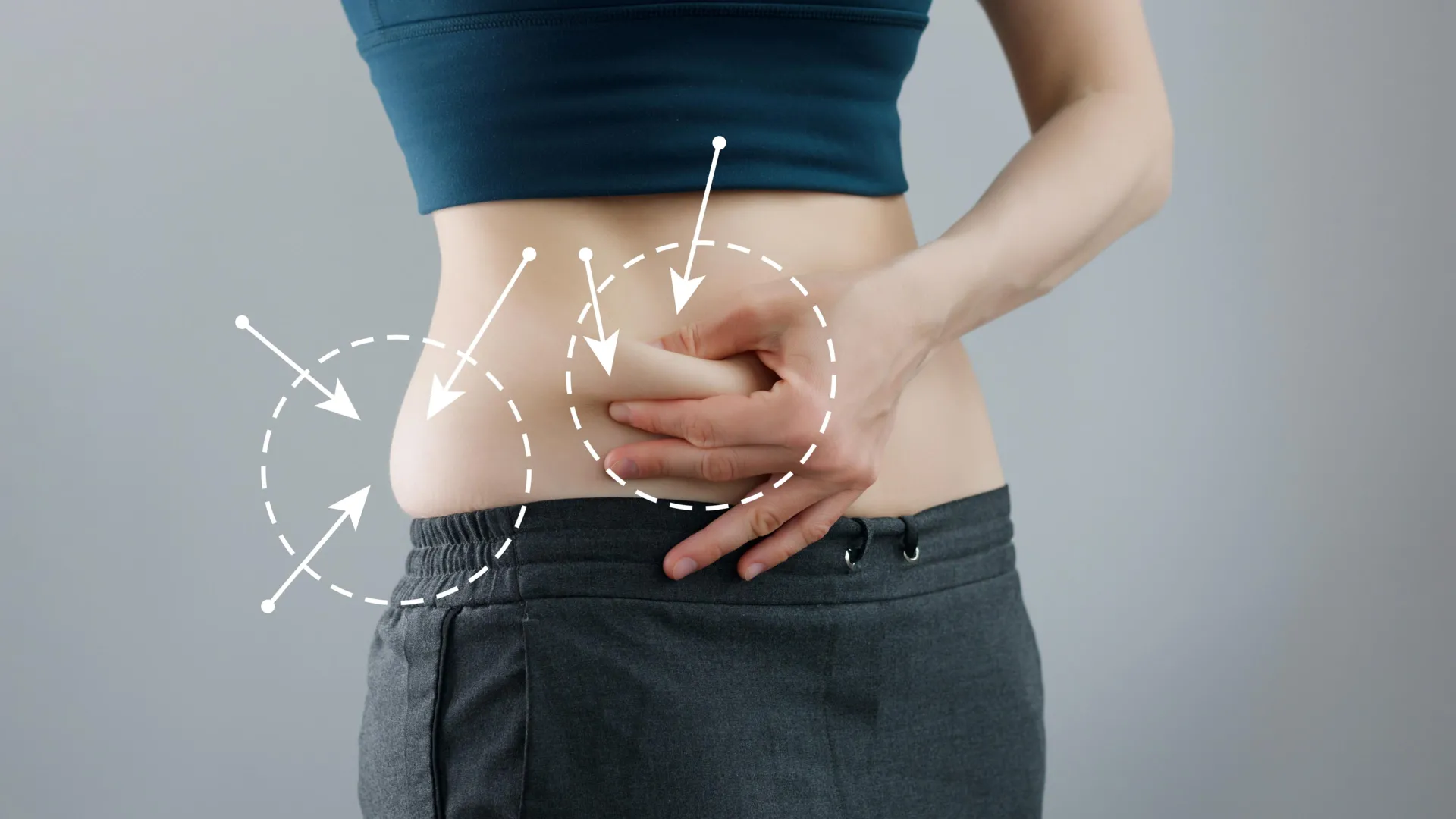
Fat tissue is often viewed as something the body would be better off without. Scientists now know, however, that adipose tissue is an active and essential organ that supports many important processes, including energy storage, hormone production, and metabolic regulation.
Too much fat can increase the risk of diabetes, heart disease, and other health problems. Yet the opposite can also be dangerous. In rare genetic and autoimmune conditions such as familial partial lipodystrophy type 2 (FPLD2), abnormal fat loss and uneven fat distribution can also lead to diabetes and other metabolic diseases.
A Longstanding Fat Loss Mystery
Elif Oral, M.D., a clinician and Professor in the Division of Metabolism, Endocrinology and Diabetes, has spent much of her career trying to understand this apparent contradiction. Her goal has been to uncover why pathological fat loss damages metabolism and to improve treatment options for people with lipodystrophy syndromes.
Working with patients who have FPLD2, Oral joined Ormond MacDougald, Ph.D., Professor of Molecular & Integrative Physiology, graduate student researcher Jessica Maung, Ph.D., and a broader collaborative team to investigate what happens inside diseased fat tissue.
“A simple explanation is that all of the fat cells (adipocytes) have really catastrophic things happening in them,” said Maung.
To study the process, the researchers developed a mouse model in which they could switch off the lamin A/C gene specifically in adipocytes. This is the same gene that is mutated in people with FPLD2.
Fat Cells Lose Their Normal Functions
The researchers examined both the animal models and tissue donated by patients. They found major changes in gene activity that prevented fat cells from properly processing and storing lipids.
At the same time, the adipocytes and the immune cells within the fat tissue shifted into a pro-inflammatory state. The mitochondria inside the fat cells also stopped functioning normally. Mitochondria help generate energy for cells, so their failure can have widespread effects on cell health.
Said Maung, “All of these effects come together to create this perfect environment for the tissue to be really unhealthy and eventually disappear.”
Why Healthy Fat Protects Metabolism
When healthy adipose tissue is lost, the body can no longer manage lipids or release metabolic hormones in the usual way. This breakdown can contribute to serious conditions, including diabetes and fatty liver disease.
“This is really underscoring the importance of healthy fats in keeping metabolism intact and functional,” said Oral. “People think of Type 2 diabetes as a disease of beta cells, but it’s actually a disease of fat cells, too.”
Beta cells are the insulin-producing cells in the pancreas. Although they play a central role in diabetes, the new findings show that fat cells are also deeply involved in maintaining normal blood sugar control and metabolic health.
New Targets for Future Treatments
The researchers hope their findings will point to new therapeutic targets. One possibility is to protect adipose tissue before it deteriorates, preventing fat cells from disappearing and reducing the metabolic damage caused by the disease.
The work also highlights the importance of close collaboration between laboratory scientists, clinicians, and patients.
“I think this work is an outstanding example of a collaboration between a translational clinical researcher and a basic science physiologist,” said MacDougald. “We also can’t overstate the importance of the patient population and their involvement in developing therapies and their dedication to understanding their disease.”
Additional authors include Rebecca L. Schill, Akira Nishii, Maria Foss de Freitas, Bonje N. Obua, Marcus Nygård, Maria D. Mendez-Casillas, Isabel D.K. Hermsmeyer, Donatella Gilio, Ozge Besci, Yang Chen, Brian Desrosiers, Rose E. Adler, Anabela D. Gomes, Merve Celik Guler, Hiroyuki Mori, Romina M. Uranga, Ziru Li, Hadla Hariri, Liping Zhang, Anderson de Paula Souza, Keegan S. Hoose, Kenneth T. Lewis, Taryn A. Hetrick, Paul Cederna, Carey N. Lumeng, Susanne Mandrup.
