


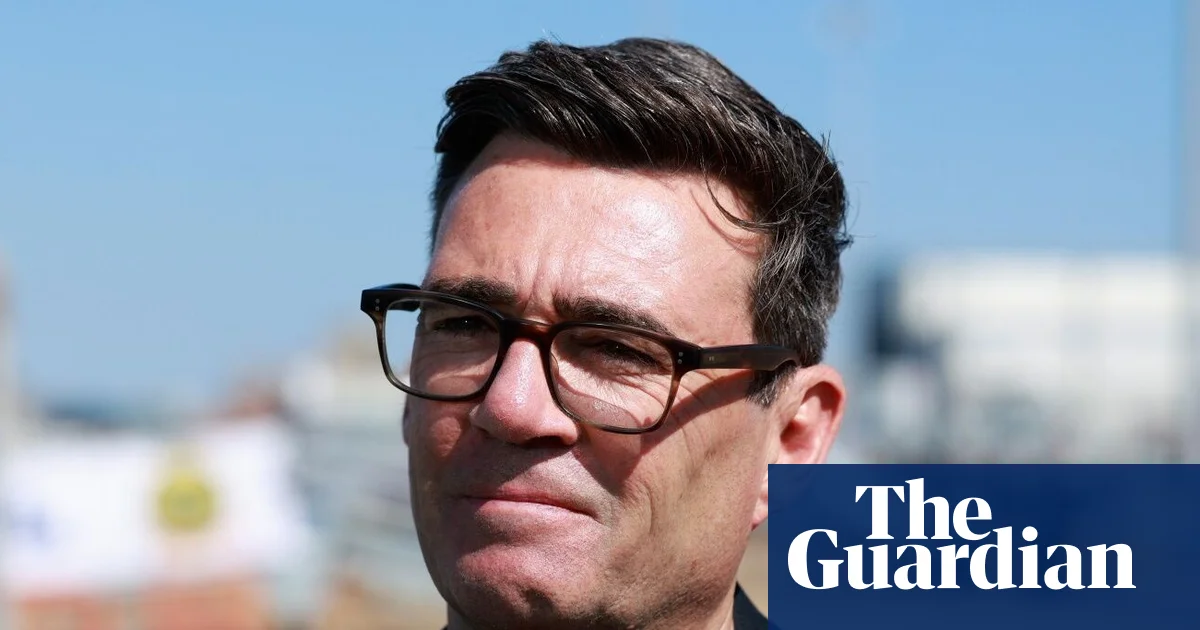
The prime minister, Andy Burnham, has said the adult social care system in England is broken and needs fixing. This is a view commonly shared by policymakers across the political spectrum, though there are sharper differences on how to pay for reform to what is widely seen as an outdated, fragile system held together by “sticking plasters and glue” and propped up by an army of unpaid carers.
Burnham previously headed an earlier unsuccessful legislative attempt to reform English adult social care while secretary of state for health in 2010 (it was brought low by Tory claims it would be funded through a “death tax”). He acknowledges it could be a long and costly process but has said he won’t flinch from big policy decisions and is prepared to “expend a lot of political capital” on his ambitions.
Would social care reform be expensive?
It depends on the design, scale and type of support offered under proposed reforms, and how the cost is shared between the state and the individual. Arguably it is already expensive for many English taxpayers, who both contribute to local authority adult social care budgets through council tax bills and who can end up meeting the costs of their own care under the heavily means-tested care system. People with assets above £23,250 generally fund their own care, while those below it may qualify for council support. One in seven people end up paying social care bills of more than £100,000, with some having to sell their home to meet the cost.
What are the reform options?
Reform proposals tend to look for ways to improve the lives and wellbeing of vulnerable individuals while protecting them against excessive social care costs. Options seek to rebalance the burden of the cost of care between the state and the individual by providing some care for free regardless of income, or by limiting the financial impact on individuals and families of catastrophic care bills.
Would a universal NHS-style system work for social care?
Burnham has talked about a national care service for England run on the “NHS principle”. He has not said what this means but an NHS-style free-at-the-point-of-use care system would cost an estimated £18.5bn a year by 2035-36. This would be by far the most expensive option but would transform what is currently one of the world’s stingiest care systems into one of the most generous.
What about introducing a level of free personal care?
One alternative would be a free personal care service along Scottish lines. Scotland provides free personal care for adults at home or in residential care – meaning the state pays for hygiene, meals, medication and general wellbeing. This does not include support with housework, laundry, shopping or the cost of attending day care centres, which are means-tested. According to the Health Foundation thinktank, free personal care for over-65s in England would cost an extra £7.5bn by 2035-36.
How would a cap on care costs work?
Previous English governments have pursued a lifetime cap on the amount individuals pay for their social care (it was proposed in 2011 by the Dilnot commission and legislated for in 2014 but never enacted). The most recent iteration, drawn up under the Johnson Tory government, would have capped care costs at £86,000 and introduced a means-test floor of £100,000 (up from £23,250). This cap was postponed by the Conservatives, then scrapped by the Starmer Labour government. The estimated cost of this model would be £4bn a year by 2035-36.
Will social care reform involve tax rises?
Whichever option Burnham chooses is likely to involve significant extra government investment over the long term, most likely through increases in taxation. Options would include general taxation, wealth taxes, national insurance or compulsory social insurance.
Does the public support reform of social care?
Polling and surveys suggest the wider public does not understand adult social care, or how it is funded, and it tends to be far lower on priority lists than issues such as the cost of living or the NHS, suggesting reform is not an obvious vote-winner. According to the King’s Fund thinktank, the public expresses low levels of satisfaction in social care services, but is open to the state providing a greater share of the cost.
Do the other main parties support social care reform?
The Conservatives have said they support social care reform in principle but would refuse to back any policy that involves tax rises. The Liberal Democrat leader, Ed Davey, said he would work towards a consensus on reform, adding “everyone must get the care they need and no one should lose their home as a result”. Reform leader Nigel Farage said he opposes any attempt to introduce a care levy on assets after a person dies, calling it a “death tax”.
