


This series is supported by a grant from the Fund for Investigative Journalism.
In western Nebraska, where cattle outnumber humans, years of drought have battered the shortgrass prairie and Sandhills so relentlessly that the land is struggling to feed all of its cattle.
The seemingly unending dry spell, which has plagued much of the Midwest, is contributing to a historic cattle shortage that is pushing beef prices to record highs. A developing El Niño is currently bringing some relief, but drought persists in parts of the region.
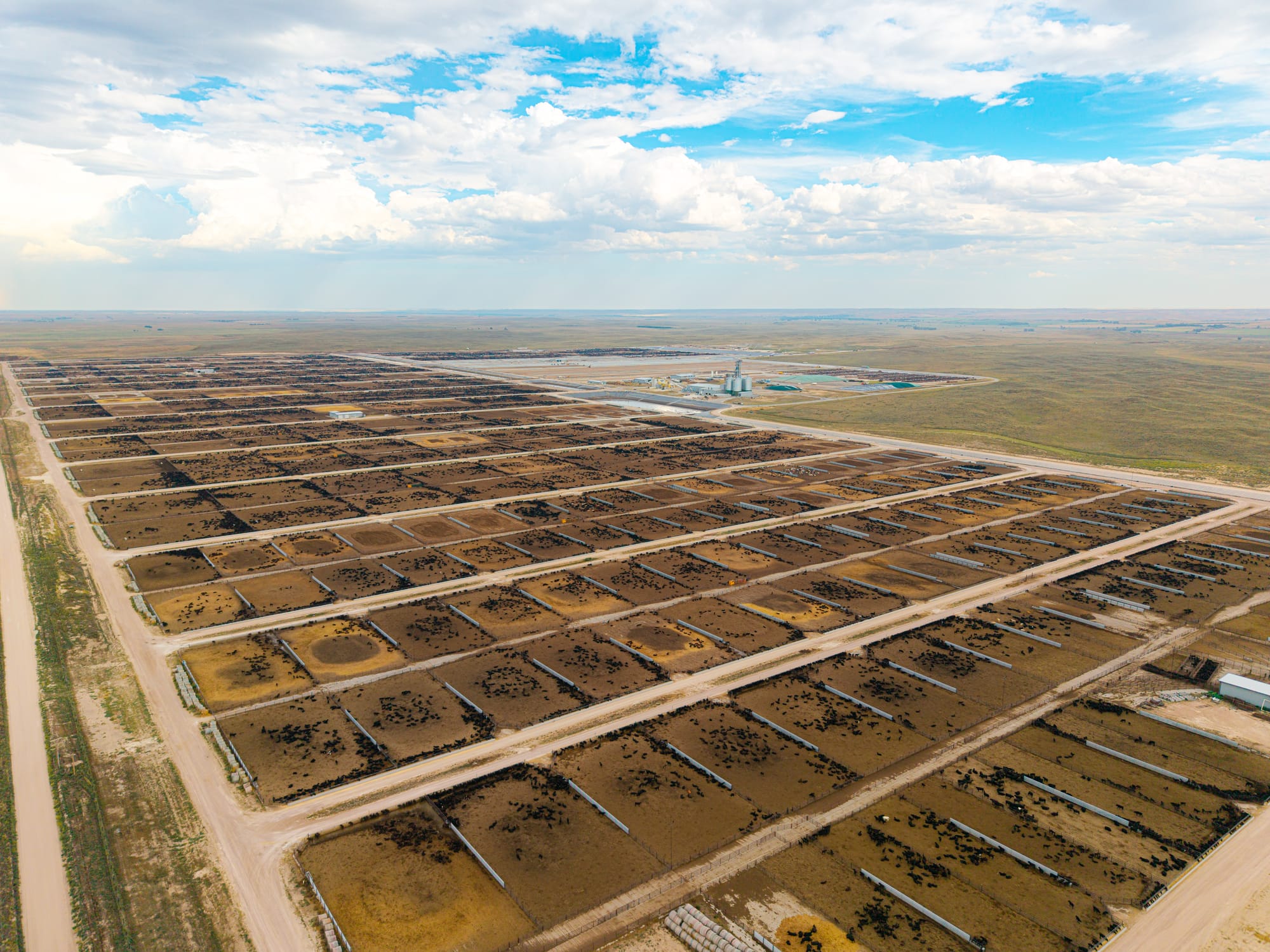
And yet, in the same parched landscape, hidden behind hills near Nebraska’s border with Colorado and Kansas, the country’s largest cattle feedlot — Blackshirt Feeders — is under construction.
A feedlot is where many cattle go after grazing on pasture and nursing from their mothers at the ranch. It’s where they spend the final months of their lives, eating grain-based feed to put on weight before they are slaughtered.
Blackshirt Feeders, founded by three veterinarians and other investors, began operating in 2024 and continues to expand. Once completed, the facility could house up to 200,000 cattle from anywhere in the country. Annually, it would draw more than 1.5 billion gallons of water from the Ogallala Aquifer, which is currently facing record-low levels, and generate manure equivalent in weight to approximately 1 million pickup trucks. The project’s scale has galvanized local residents, who have tried unsuccessfully to stop its development.
But there is another, less discussed feature of the operation: almost all of Blackshirt’s cattle are born on dairy farms, not ranches.
A breeding practice that once played a limited role in beef production is gaining momentum. Known as “beef-on-dairy,” the practice involves breeding dairy cows, typically Holstein, with beef bulls such as Angus. Rather than breeding all their cows for milk production, dairy farmers can inseminate selected cows with semen from beef bulls, producing calves raised for beef. While this practice is not new, genetic selection has significantly improved the quantity and quality of beef these crossbred calves can yield.
For now, beef-on-dairy is helping ease the cattle shortage. But its explosive growth in recent years has some ranchers worried that beef production will increasingly shift toward industrial dairy farms and away from ranches.
“This is a tremendous danger to the industry,” said Bill Bullard, CEO of Ranchers-Cattlemen Action Legal Fund United Stockgrowers of America (R-CALF USA), an organization of independent ranchers. “It threatens the independence of U.S. producers, and it is going to further erode rural areas that are dependent on a vibrant and widely dispersed cow-calf sector.”
A cattle shortage is reshaping the beef industry. Producers are finding new ways to squeeze more beef from every animal, using a controversial new drug and longer feeding periods to push cattle to unprecedented weights. The industry is also increasingly turning to dairy farms, rather than traditional ranches, for its beef supply. These shifts raise serious questions about animal health, the future of independent ranchers and the rapidly changing supply chain that brings beef to the dinner table. In this three-part series, Investigate Midwest examines the FDA’s approval of Experior, the growing practice of “beef-on-dairy,” and the consequences of pushing cattle beyond their biological limits.
In just a decade, beef-on-dairy calf production grew from 50,000 head in 2014 to 3.22 million in 2024, according to industry estimates. Beef-on-dairy cattle now make up an estimated 26% of the feedlot population. For consumers, this means that more steaks on store shelves may come from beef-on-dairy cattle, though there is usually no way of knowing from the label.
Despite this rapid growth, experts in the field insist that beef-on-dairy production will never replace traditional ranching, since there aren’t enough dairy cows to meet demand. But projects like Blackshirt and other developments reveal that the industry is increasingly betting on the beef-on-dairy model — a model that also comes with animal health and welfare concerns. Beef-on-dairy cattle typically live in confinement instead of grazing on pasture, while research shows that these animals are more prone to certain health problems.
“It’s a confinement model from birth to plate,” Bullard said. “It is going to facilitate the vertical integration of the industry by the largest beef packers and companies like Walmart.”
The beef industry’s vertical integration
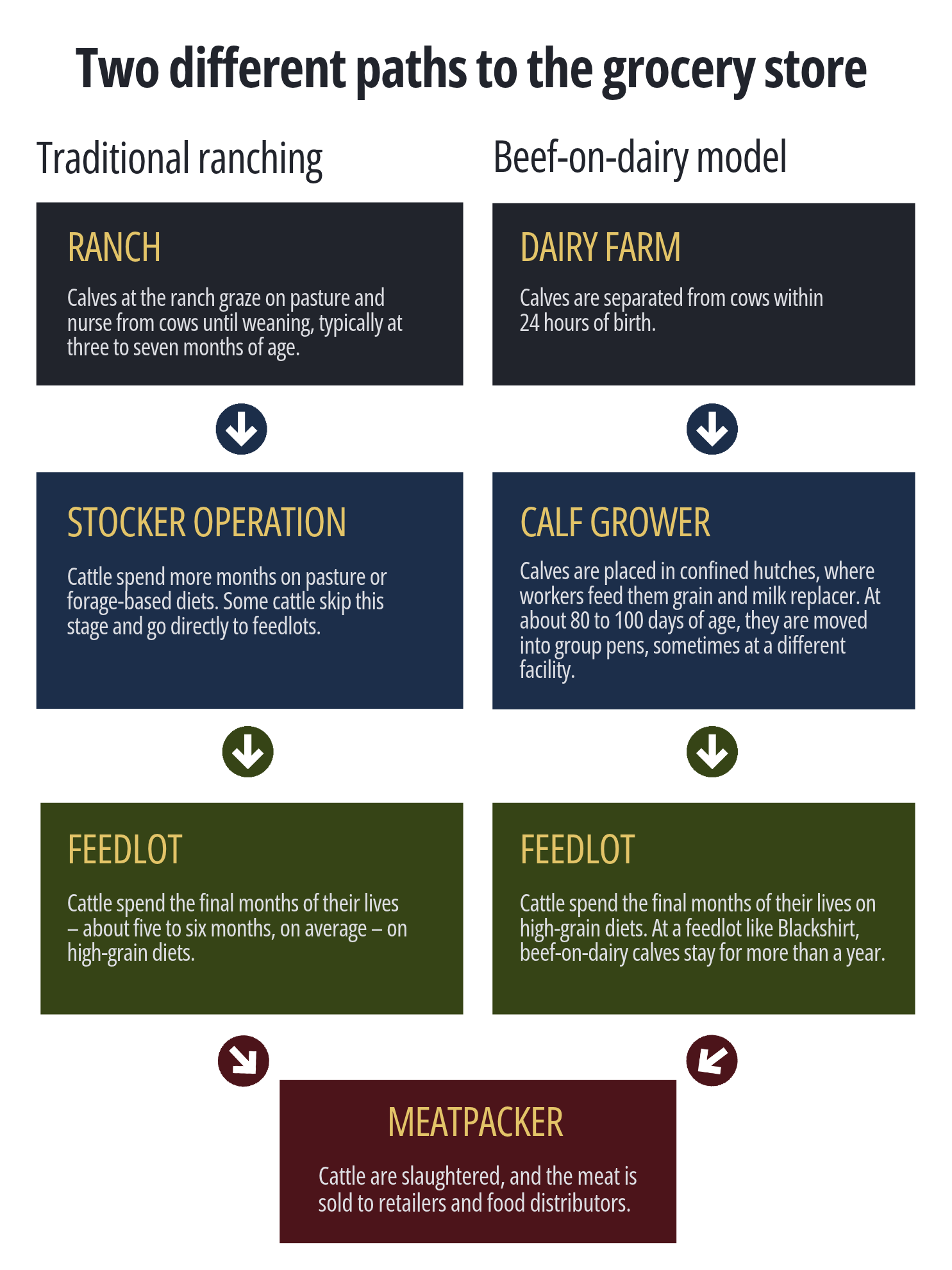
In the U.S., ranchers own their cattle. Calves at the ranch graze on pasture and nurse from cows until weaning, typically at three to seven months old. Ranchers then sell their weaned calves, usually at live auctions scattered across rural America.
Some calves go to “stockers,” who raise them for several more months on pasture or forage-based diets before sending them to feedlots. Others go directly to feedlots, where “feeders” put the animals on grain-heavy diets designed to fatten them up. Once the cattle reach the desired market weight, feeders sell them to meatpacking companies, or “packers,” which slaughter the animals.
Ranchers, stockers, feeders, packers. The many ways these factions buy, sell and negotiate with one another — and with retailers, distributors and other players in the industry — has been described by economists as one of the most complex supply chains in the world.
For meatpackers, the system leaves much of the supply chain beyond their control, making it difficult to secure a consistent, uniform supply of cattle at stable prices.
Beef-on-dairy is changing that.
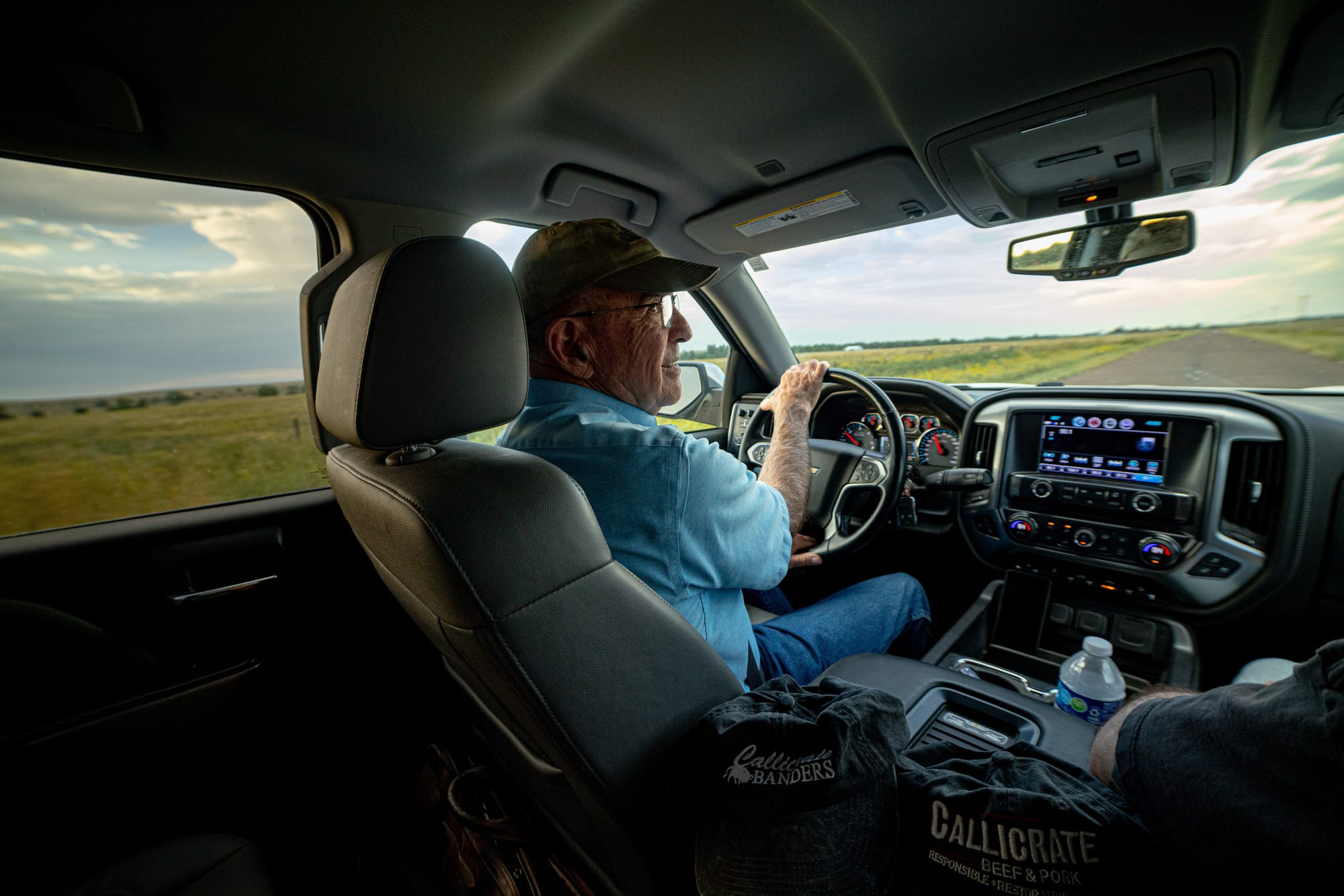
“The beef-on-dairy model closely resembles the vertical integration of the pork and poultry industries,” said Mike Callicrate, a prominent Kansas rancher and business owner whose ranch is about 35 miles south from the Blackshirt feedlot. “This is exactly what the meatpackers want. They want to be able to control it all.”
By removing ranchers from the equation, the beef-on-dairy model could open the door to the vertical integration of the beef industry — or as ranchers often call it, the “chickenization” of the beef industry.
It is a system of control over the entire supply chain that Tyson Foods pioneered in the chicken industry in the 1950s and 1960s, and the pork industry adopted more widely in the 1990s. It gave meatpackers control over how animals are raised, transforming animal agriculture into a highly industrialized, standardized system in which companies coordinate production and animals typically live in confinement from birth.
The model is simple: The meat company usually owns the animals and controls every stage of production, from breeding and feed production to processing and distribution. The farmer owns the farm and equipment, assumes substantial debt and bears the financial risk. Companies can produce as many animals as the market demands and rely on farmers, bound by strict contracts, to raise them. By keeping the animals in confinement, companies eliminate the impact of unpredictable weather that is part of raising animals outdoors.
“The cattle industry remains the last frontier in terms of vertically integrating the industry,” Bullard, from R-CALF, said. “It takes vast areas of forage to raise the mother cows and the calves.”
The four largest meatpackers — Tyson Foods, JBS, Cargill and National Beef — wield enormous power in the beef industry, controlling about 85% of beef processing, shaping policy and influencing prices. But, so far, they cannot directly dictate when or how ranchers raise their cattle, or how much they are paid for them.
The open cash market of live auctions gives ranchers the opportunity to receive the highest possible price for their calves, a degree of leverage that commercial poultry and pork farmers do not have. That independence from meatpacking giants makes ranchers one of the last bastions of traditional American agriculture.
“There’s barely any or basically no independent hog feeders currently,” said Corbitt Wall, a well-known cattle market analyst who has built a following among American ranchers through his daily commentary on the cattle market. “I’m afraid that’s going to be the way of the cattle, too.”
The dairy industry offers meatpackers a way to bypass ranchers, live auctions and open pastures.
Most dairy farms already keep cattle in confinement from birth, and beef-on-dairy allows them to use the same infrastructure and supply chain to raise crossbreed animals for meat. The scale of modern dairy farms makes them a natural fit for the beef industry’s growing demand.
Many of today’s dairy farms are large industrial operations that use sophisticated technology and genetic breeding programs. The average dairy farm is now more than eight times larger than it was in 1978, according to the latest available Census of Agriculture data. Farms with 2,500 cows or more are increasingly common, as smaller farms continue to disappear.
Speaking on a radio talk show in January, Iowa cattle producer and market analyst Brad Kooima referred to beef-on-dairy as “the gorilla in the room,” warning that it could have serious consequences for the beef industry.
“I watched them wreck the hog market. I lived it. I see what’s happened in poultry. This scares me to death,” said Kooima.
He also called beef-on-dairy a meatpacker’s “dream.” Callicrate, the Kansas rancher, agrees.
“If they can get those calves locked into their supply chains the day they’re born, they know exactly when they’re gonna hit the slaughterhouse,” Callicrate said.
The end of the American rancher?
Vertical integration can happen in different ways. Major players further up the supply chain — meatpackers, retailers, or large feedlots like Blackshirt — can gain greater control of the supply chain through ownership or contracts.
Tara Felix, a leading beef-on-dairy expert and professor at Penn State’s College of Agriculture, told Investigate Midwest that a model in which meatpackers own beef-on-dairy calves from birth through slaughter is “a possibility.”
But she says that it is not how the industry operates today. Currently, most dairy farmers sell their newborn beef-on-dairy calves on the open cash market, much like ranchers sell their cattle.
Speaking on a podcast earlier this year, however, Felix said that arrangement may not last. She expects beef-on-dairy production to move toward “a more integrated model.”
“There are already parts of the beef-on-dairy industry that are becoming what I would call ‘vertically integrated,’” said Felix on The Beef Podcast Show.
Blackshirt is one example of this shift. The feedlot owns all of its cattle and has contracts with dairy farms to secure a steady supply of beef-on-dairy calves. A different example is a Wisconsin dairy farm that owns its beef-on-dairy cattle until slaughter. This arrangement could allow the farm to contract directly with a meatpacker and supply beef-on-dairy cattle that meet the packer’s requirements.
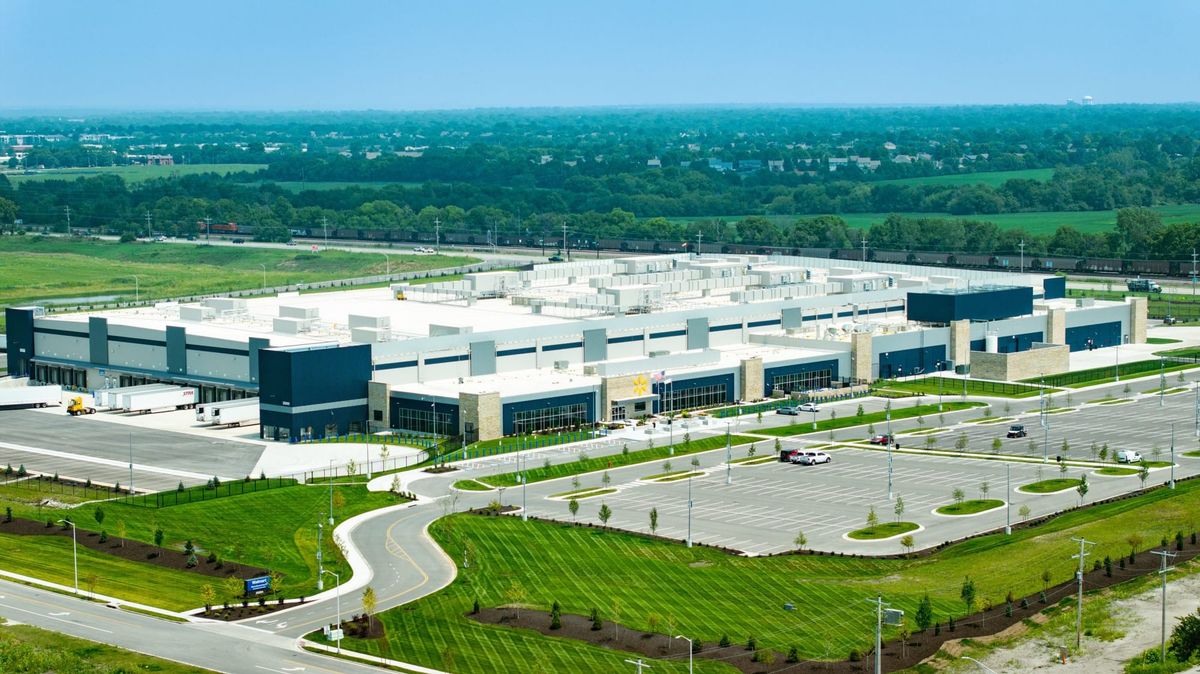
Walmart has also become a powerful player. The retail company opened its own beef processing plant in Kansas last year and said this move would strengthen its supply chain’s “resiliency and control.”
Walmart looks to tighten its grip on the beef supply chain
Ranchers and agricultural advocates warn the nation’s cattle industry is in dire straits as Walmart and Brazilian-based JBS expand in US market.
Regardless of how the beef-on-dairy model evolves, Felix rejects the idea that beef-on-dairy is a threat to independent ranching. Speaking with Investigate Midwest, she described the small independent rancher as “the backbone of the beef cattle industry” and argued that the beef-on-dairy sector could never replace traditional ranching.
“For several decades now, our dairy population in the United States has remained nearly stagnant at nearly 9 million mama cows,” Felix said. “Those cows can only produce one calf per year. At most, they could produce nearly 9 million calves if biology were perfect.”
That number is far below the roughly 25 million calves for beef the U.S. harvests each year, Felix noted.
The nation’s dairy cow herd has, as Felix noted, hovered around 9 million for decades. But last year it shifted from the lower to the upper end of that range — reaching its largest size in more than 30 years.
Agricultural economist Brian Earnest said that dairy farmers, many of whom are currently under financial strain, are increasingly seeing beef-on-dairy calves as a valuable source of profit.
“The big reason why we have a larger dairy cow herd or not retiring as many of those is beef-on-dairy,” said Earnest, speaking at this year’s Federal Reserve Bank of Chicago Midwest Agriculture Conference in October.
The life of a beef-on-dairy calf
A beef-on-dairy calf experiences a very different life from a traditional beef calf. While not all farms adopt the same practices, the following is a typical scenario.
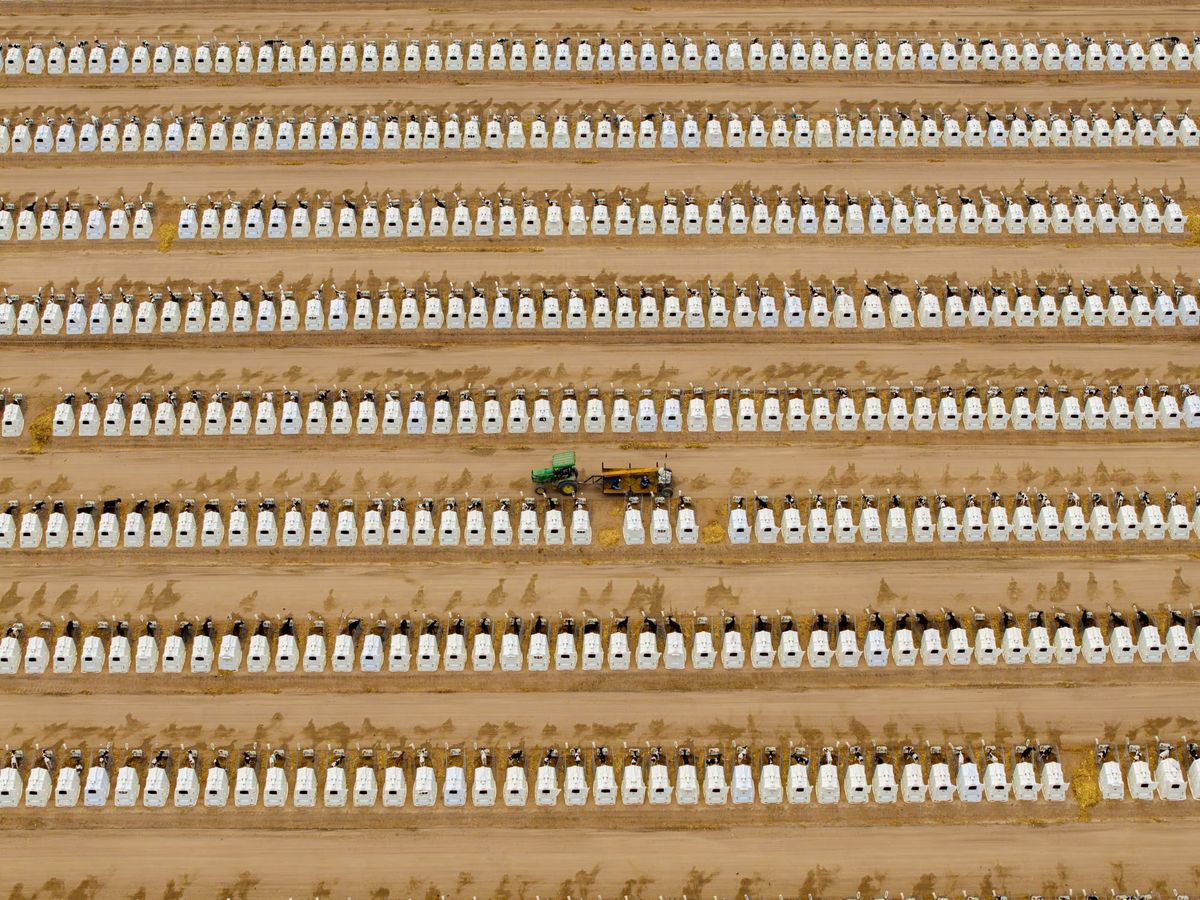
Within the first 24 hours after birth, dairy farmers separate the calf from its mother and ship it by truck to a “calf grower,” also called a “calf ranch,” often in a faraway state. There, workers house the newborn calf in a confined, individual hutch measuring less than 15 square feet and feed it grain and milk replacer. In some facilities, the newborn calf may also receive growth-promoting antibiotics.
At around 80 to 100 days of age, the calf moves into a pen with other calves, where it continues eating a grain-based diet until it reaches 500 to 700 pounds. Workers then transport the calf by truck to a feedlot, where it gains additional weight before heading to a meatpacking plant. At a feedlot like Blackshirt, calves stay for more than a year — roughly twice as long as traditional beef calves spend in feedlots.
Dairy farmers from as far away as Florida send newborn calves to Kansas Dairy Development (KDD) in Deerfield, Kansas, allowing them to focus on milk production while the calves grow. Known as “calf growers” or “calf ranches,” these facilities house calves in individual hutches, where workers feed them grain and milk replacer. An increasing share of KDD’s calves are beef-on-dairy. Calves destined for milk production eventually return to dairy farms, while beef-on-dairy calves are sent to feedlots. photos by Zach Lucero, Investigate Midwest
“Those beef-on-dairy cattle never get a chance to enjoy their best life,” Wall, the cattle market analyst, said. “They really never get to enjoy anything. They’re stolen from their mothers the day they’re born.”
The industry is aware that these cattle-raising practices are far removed from the idyllic image of ranchers in cowboy hats tending herds across open pastures.
Ruth Woiwode, a cattle welfare specialist and professor at Oklahoma State University, wrote in April about how the dairy industry’s growing role in beef production could affect the beef industry’s public image.
She pointed to a viral video of a calf grower operation. “Recent publicly circulated video footage illustrates how quickly attention can focus on these systems,” Woiwode wrote.
Woiwode warned that the scale of these operations — some which have 80,000 newborn calves in individual hutches — makes them vulnerable to public scrutiny. High employee turnover increases the likelihood that footage from inside these facilities will be recorded and shared, according to Woiwode.
“In systems where employees perform hundreds of repetitive care tasks per shift… individual interactions are more likely to be captured on video,” Woiwode wrote.
In California, home to one of the largest calf growers in the country, these operations may violate state animal cruelty laws, according to farm animal advocates. But state officials have shown little interest in enforcing the law.
There are also concerns about animal health.
A 2024 research paper by Temple Grandin, the world-renowned cattle expert and Colorado State University professor, warns that genetic selection may be having a serious impact on animals’ health.
Grandin wrote that intensive genetic selection for “economically attractive meat traits,” such as rapid growth and oversized ribeyes, may be contributing to alarming increases in congestive heart failure and lameness — problems particularly evident in beef-on-dairy cattle.
She has observed widespread physical abnormalities among these crossbreds, noting that many Angus-on-Holstein steers develop twisted, corkscrew-shaped claws, leading to lameness and mobility problems.
Grandin urges the industry not to accept these conditions as normal. “Dairy producers became so accustomed to looking at lame cows that they no longer perceived it as a problem,” she wrote.
Liver abscesses are another major problem in beef-on-dairy cattle.
Liver abscesses are infected pockets in the liver, usually caused by digestive problems linked to high-grain diets. While traditional feedlot cattle typically have abscess rates of around 1-in-5, beef-on-dairy cattle can see rates of 1-in-2 or higher, with some groups reaching more than 80%.
Felix, the Penn State beef-on-dairy expert, noted that liver abscess rates can vary significantly from one region to another. While breed differences exist, geography is also an important factor, although scientists don’t yet understand why.
“Whether it’s beef-on-dairy or whether it’s beef-on-beef, liver abscesses are a regional challenge,” Felix said.
The industry’s big bet
Besides Blackshirt, other recent developments suggest that the beef-on-dairy model is appealing to the industry.
In 2021, Cargill partnered with Nestlé and Texas Tech University on the “Beef Dairy Accelerator” program, a three-year initiative to accelerate producer adoption of beef-on-dairy crossbreeding.
Land O’Lakes, one of the country’s largest dairy businesses, promotes beef-on-dairy through its subsidiary, Purina Mills. The animal nutrition company sells a milk replacer for beef-on-dairy calves that, according to the company, can “help reduce animal size variability.” The promise of uniformity is central to the appeal of the beef-on-dairy model: producing calves with predictable growth and traits suited to standardized production systems and meatpacker demands.
ABS Global, an artificial insemination company owned by the British company Genus plc, is particularly benefiting from the rise of beef-on-dairy.
Dairy farmers are increasingly relying on artificial insemination to breed dairy cows with beef genetics, rather than using beef bulls. For milk production, they are also adopting “sexed” semen to increase the likelihood of producing female offspring.
The company reported that the share of its sales to U.S. dairy farms consisting of sexed and beef genetics grew from 16% in 2016 to 78% in 2023. Genus’s 2025 annual report showed ABS is seeking to “drive increased adoption” of beef-on-dairy.
Cargill and ABS Global have also supported research into beef-on-dairy at public universities. At a 2024 industry conference, Texas Tech University professor Dale Woerner, whose position is endowed by Cargill, encouraged the industry to continue producing beef-on-dairy cattle.
“Beef-on-dairy crossbreds have added enough value to the beef supply chain that we should never change what we’re doing. We should continue creating these crossbred cattle for the future,” said Woerner.
Historic cattle shortage
The U.S. total cattle inventory is as low as it was in the early 1950s, when the country’s human population was less than half of what it is today. While drought is accelerating the shortage, the issue has been building for decades.
Since 1978, the U.S. has lost roughly 4 in 10 ranches. More than 1 million operations raised beef cows in 1978, compared with roughly 622,000 in 2022, according to the most recent data available from the U.S. Department of Agriculture.
Groups like R-CALF, which represents independent ranchers, point to free trade agreements like NAFTA and decades of industry consolidation as key factors that have pushed ranchers out of business.
Beginning in the 1980s, a lack of federal enforcement of antitrust laws fueled a wave of mergers and acquisitions as the industry began favoring larger operations and economies of scale. In the beef industry, this consolidation left four companies controlling more than 80% of cattle processing. Today, those companies — known as the Big Four — are Tyson Foods, Cargill, and the Brazilian-owned National Beef and JBS.
Only 10 meatpacking plants currently process nearly half of all U.S. beef. Feedlots have grown larger, while smaller operations have shut down. For ranchers, fewer feedlots mean fewer buyers for their cattle.
“Our industry is already contracting and contracting at an alarming rate,” Bullard, from R-CALF, said. “[Beef-on-dairy] will make it even less economical for independent beef cattle operations to continue.”
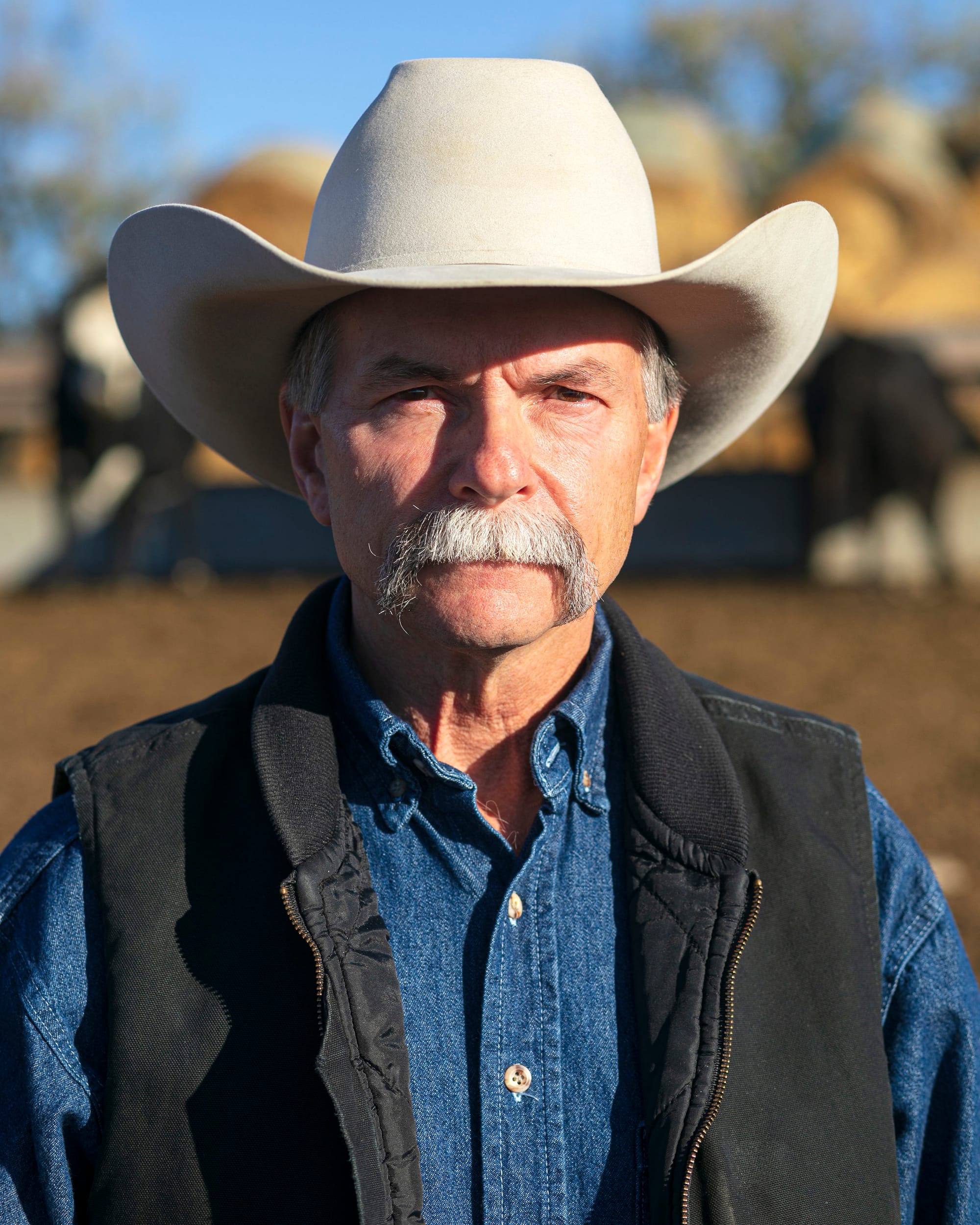
Meatpackers are confronting a cattle shortage that may be, in part, a consequence of their own making. Beef-on-dairy is just one way the beef industry is responding to a shrinking cattle supply.
The industry is also feeding cattle for longer periods and adopting a new controversial growth-promoting drug, two practices that are pushing cattle to extreme weights. Bigger cattle allow meatpackers to squeeze more beef out of each animal.
The Trump administration has tried to address the cattle shortage by bringing in more foreign beef, claiming it would lower prices for consumers. But strong demand continues to keep beef prices high, and the imports have done little to change that.
The move angered ranchers across the country, while groups like R-CALF and Farm Action believe meatpackers benefit from the increased imports. Others speculate that JBS influenced Trump’s policy decisions.
Joesley Batista, the scandal-plagued co-owner of Brazilian meatpacking giant JBS, met with Trump shortly before the president announced plans to expand beef imports from Argentina. Batista met with Trump again before the administration eased import restrictions on other countries, particularly Brazil.
Cutting out the middlemen
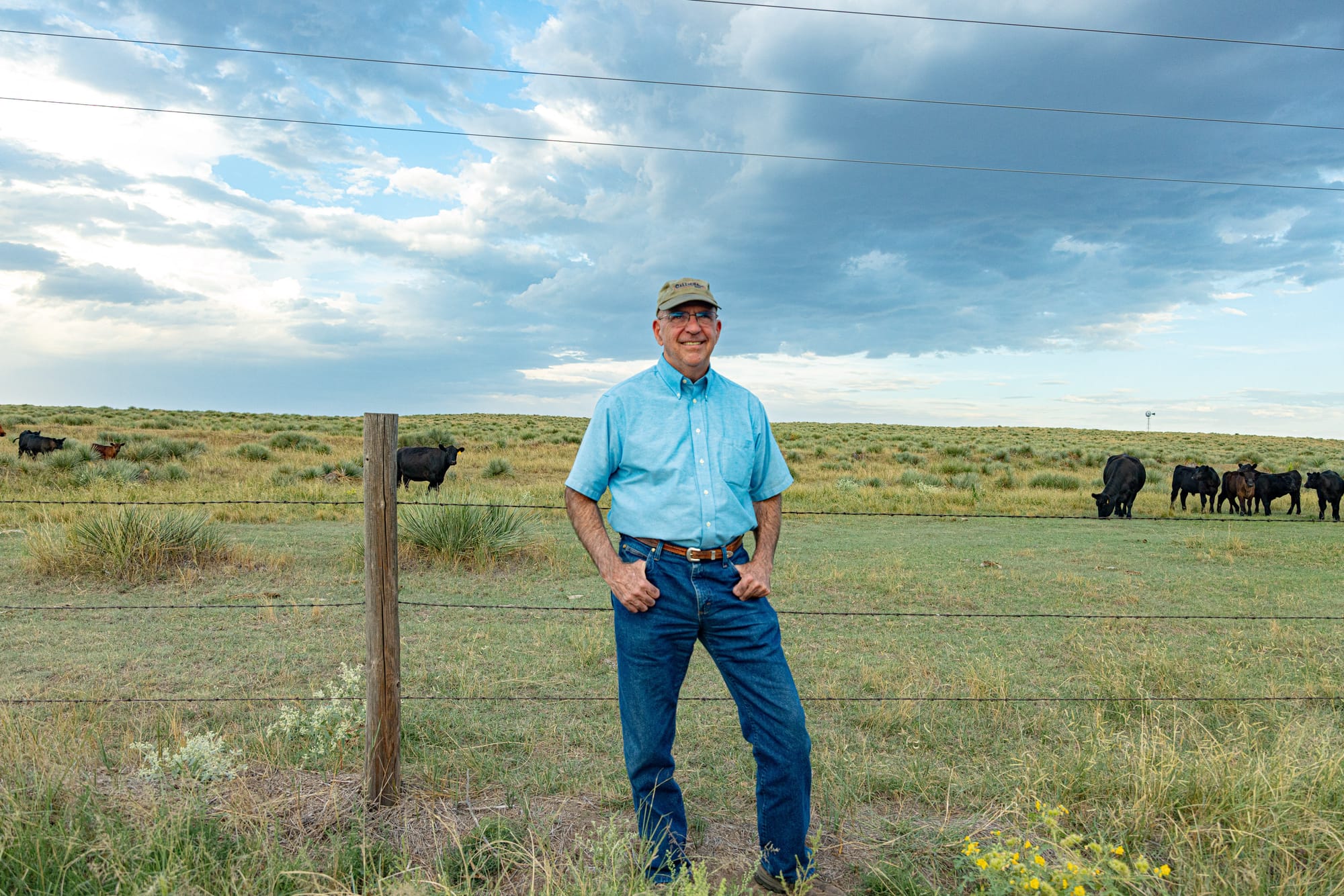
In the heart of the Great Plains, about 35 miles south of the Blackshirt feedlot, Mike Callicrate runs a ranch, feedlot, and meatpacking plant side by side.
About a dozen calves, all black-coated but for a few reddish-brown ones, nibble on grass alongside a mother cow. They are in one of the few parts of the ranch where grass is still lush in September.
The rest of the herd, about 1,200 cattle, is in the feedyard. There, Callicrate feeds his own cattle and those of nearby ranchers. Once they have put on enough weight, the cattle will travel about 400 feet to the small packing plant that Callicrate built with the help of his son. The plant has a small office for the USDA inspector, who comes by every time animals are slaughtered.
In the 1990s, Callicrate joined nine other cattle producers in an antitrust lawsuit against meatpacking giant IBP, which Tyson Foods later acquired. They accused the company of manipulating cattle prices and pushing independent ranchers out of the market.
The lawsuit came with consequences. Major meatpackers refused to buy Callicrate’s cattle and he eventually had to shut down his feeding operation. Instead of leaving the cattle business altogether, he decided to do things differently: Callicrate scaled back his operation and began selling beef rather than cattle.
“We have completely screwed ourselves in this industry. This is why people like me have said ‘enough,’” said Callicrate. “Twenty-six years ago, I said ‘I’m not doing this anymore.’”
Callicrate sees his operation as a blueprint for what a fair and competitive beef industry could look like in the U.S.
He gives his cattle antibiotics only when they need them, and never uses hormones or growth-promoting drugs, he said. After slaughter, Callicrate ships the carcasses by truck to a Colorado facility, where butchers cut and package the meat for sale at his Colorado Springs store. It’s a regional, direct-to-consumer business.
Callicrate acknowledges that he is able to keep the operation afloat because of the income from his more prosperous business, a humane castration device that he invented in the 1990s and that is now sold internationally. He believes ranchers across the country could have similar success if meatpackers, retailers, and food distributors did not have so much control over the market.
“This is very simple, affordable, but you can’t do it unless you have a market,” Callicrate said. “It’s a completely broken and corrupted system.”
Interviews
Bill Bullard, R-CALF, May 18 and Oct. 26, 2026
Blackshirt Feeders, correspondence, Oct. 15 through Oct. 21, 2026
Corbitt Wall, Oct. 27, 2026
Darrell Peel, Oklahoma State University, May 20, 2026
Mike Callicrate, May 15 through Nov. 9, 2026
Tara Felix, Penn State’s College of Agriculture, Sept. 30, 2026
News stories
Greg Henderson, Bovine Veterinarian, “New Beef-on-Dairy Feedlot Set to be One of the Largest in Country,” July 3, 2024
Taylor Leach, Dairy Herd, “Beef-on-Dairy: A Critical Solution to the Shrinking U.S. Cattle Herd,” Feb. 5, 2025
Daniel Munch, Farm Bureau, “Beefing Up Dairy: The Rise of Crossbreeding,” Feb. 24, 2025
Clint Peck, Beef Magazine, “Blackshirt Feeders,” Sept. 22, 2025
Maddy Rohr, Drovers, “Filling Pens: Beef-on-Dairy Feeders Are Here to Stay,” Dec. 17, 2025
Taylor Leach, Dairy Herd, “Beef-on-Dairy is Becoming a Bigger Engine for the Beef Supply Chain,” Feb. 25, 2026
Ruth Woiwode, Feedstuffs, “When supply chains shift: What beef-on-dairy means for beef sector’s visibility,” April 7, 2026
Karen Bohnert, Dairy Herd, “From Milk to Meat: How Abel Dairy Farm Mastered the $2 Billion Beef-on-Dairy Evolution,” July 20, 2026
Georgina Gustin, Inside Climate News, “A Very American Invention, Pushed to an Extreme,” Aug. 9, 2026
Karen Bohnert, Dairy Herd, “Beef Tariff Removal Threatens Dairy Farmers’ $13 Billion Income Stream as NMPF Warns of Market Disruption,” Aug. 25, 2026
Marina Bolotnikova, Vox, “The disturbing reality behind America’s milk and cheese — and the fight to end it,” Nov. 12, 2026
Podcasts and radio shows
AgriTalk, Jan. 21, 2026
Lonesome Lands, Aug. 26, 2026
Cattle Call, June 25, 2026
The Beef Podcast Show, Feb. 4, 2026
Videos and lectures
Kansas State University, 2024 KSU Stocker Field Day – Beef on Dairy: Opportunities and Challenges, Oct. 9, 2024
Warren Rusche, Beef on Dairy Dialogue: What’s going on with carcass size?, May 14, 2026
Kee Jim, 2026 BIF Symposium: Beef x Dairy: Terminal Genetics that Drive Demand and Capture Value, June 3, 2026
Federal Reserve Bank of Chicago, 2026 Midwest Agriculture Conference, Oct. 16, 2026
Charts and reports
Committee On Agriculture House Of Representatives. “An Examination Of Price Discrepancies, Transparency, And Alleged Unfair Practices In Cattle Markets,” 2022
Jeffrey Gillespie, Christine Whitt, and Christopher Davis. “Structure, Management Practices, and Production Costs of U.S. Beef Cow-Calf Farms,” 2023
R. Aaron Hrozencik, USDA. Drought conditions influence annual fluctuations in U.S. beef cattle herd size, 2024
Purina Mills, Industry Report on Beef-on-Dairy, 2025
USDA, “Cattle & Beef – Sector at a Glance,” 2025
Merck Veterinary Manual. “State of the Dairy Industry,” 2026
Research papers
Waseem Abbas, Brittney N. Keel, Stephan D. Kachman, Samodha C. Fernando, James E. Wells , Kristin E. Hales , Amanda K. Lindholm-Perry. “Rumen epithelial transcriptome and microbiome profiles of rumen epithelium and contents of beef cattle with and without liver abscesses,” 2020
James M. MacDonald, Jonathan Law, and Roberto Mosheim, USDA. “Consolidation in U.S. Dairy Farming,” 2020
Donagh P. Berry. Invited review: Beef-on-dairy—The generation of crossbred beef × dairy cattle, 2021
Gary W. Brester, Kole Swanser, Brett Crosby. “The Thinning Cash Cattle Market: Evaluating Sample Size, Policy Prescriptions, and Pricing Proxies,” 2022
Blake A. Foraker, Jenna L. Frink, Dale R. Woerner. Invited review: a carcass and meat perspective of crossbred beef × dairy cattle, 2022
Temple Grandin. “Problems with Congestive Heart Failure and Lameness That Have Increased in Grain-Fed Steers and Heifers,” 2024
James M. MacDonald, USDA. “Concentration in U.S. Meatpacking Industry and How It Affects Competition and Cattle Prices,” 2024
Rebecca A. Bigelow, Phillip A. Lancaster, Brad J. White, Raghavendra G. Amachawadi, Tera R. Barnhardt, Miles E. Theurer. “Beef-on-dairy calf management practices in commercial calf ranches,” 2025
Ally Grote, Tom Fanning, Eric A. DeVuyst, Zane Grigsby, Justin Crosswhite, Paul Beck. “A commercial scale evaluation of the effects of post-weaning management system of dairy × beef hybrid steers compared to native beef steers on performance, carcass characteristics, and net returns,” 2025
Rebecca A. Bigelow , Phillip A. Lancaster , Brad J. White , Raghavendra G. Amachawadi , Miles E. Theurer , Tera R. Barnhardt. “Association of origin, performance, and health metrics of beef-on-dairy feedyard cattle with liver abscess at harvest,” 2026
