


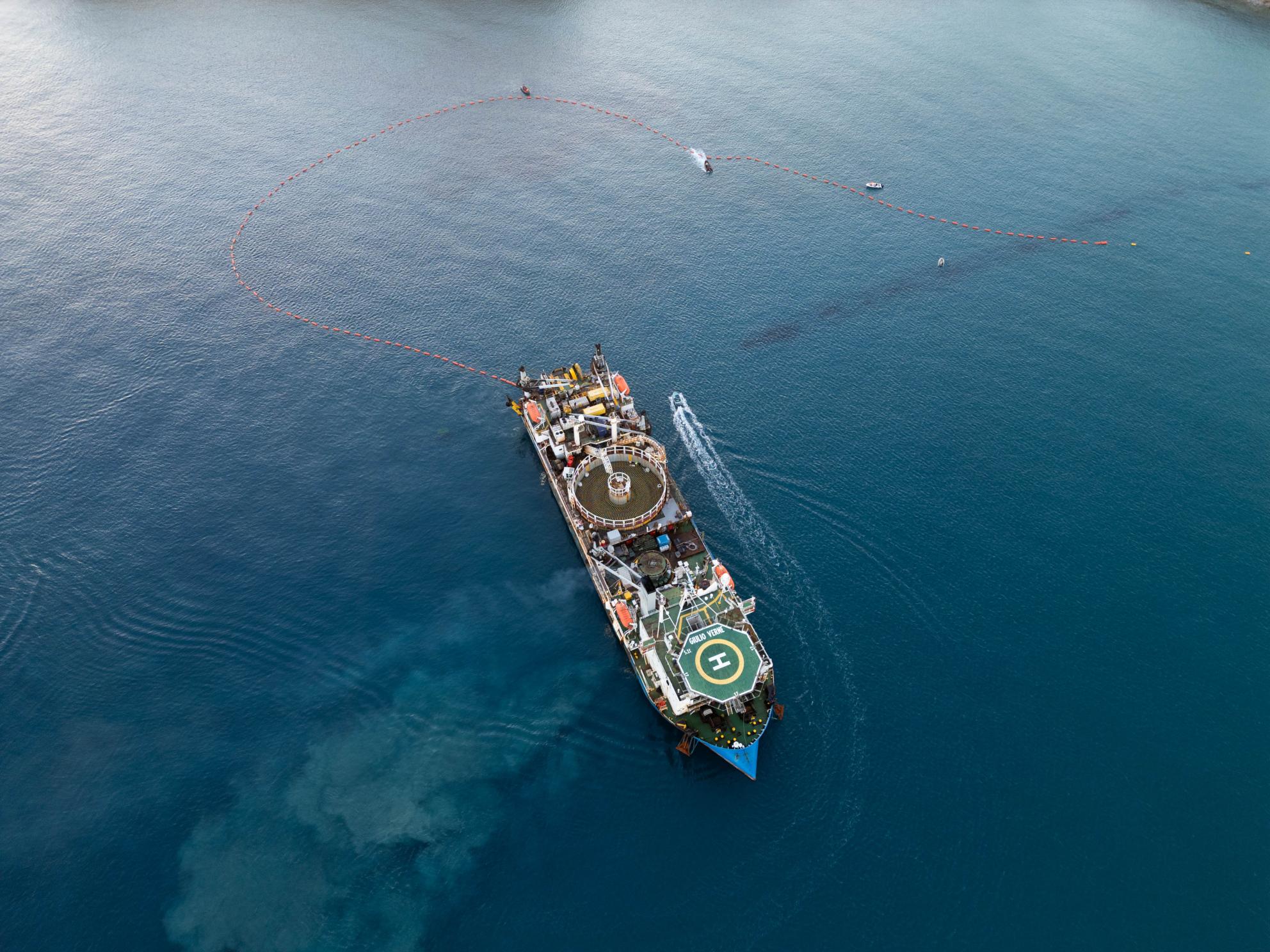
According to CINEA, Phase 1 alone is expected to cut CO2 emissions by around 7.7 million tons over 25 years, roughly 309,000 tons per year. By connecting the islands to the mainland grid, the project will also open the way for more renewable energy in the region, contributing directly to the energy and climate objectives of both the EU and Greece.
The project’s second phase, which is not part of the EU-supported project, will add AC interconnections to bring Rhodes and Karpathos into the system. Once completed, the two phases will end the Dodecanese islands’ electrical isolation, relieve grid saturation and allow polluting oil-fired power plants to be decommissioned.
“The Dodecanese electricity interconnection project, currently being implemented by IPTO, will permanently end the region’s energy isolation, accelerate the phase-out of polluting oil-fired power plants, and unlock the renewable energy potential of the Aegean Sea,” said Manos Manousakis, Chairman and CEO of the Greek transmission system operator (TSO), Independent Power Transmission Operator (IPTO).
“The investment not only strengthens security of supply, but also lowers consumer costs, drives sustainable economic growth, and ensures a more resilient, interconnected grid across every corner of Greece. Securing the largest grant awarded to date under this EU funding program – alongside crucial backing from EIB and the Greek Decarbonisation Fund – marks a major milestone in our country’s energy transition.”
