


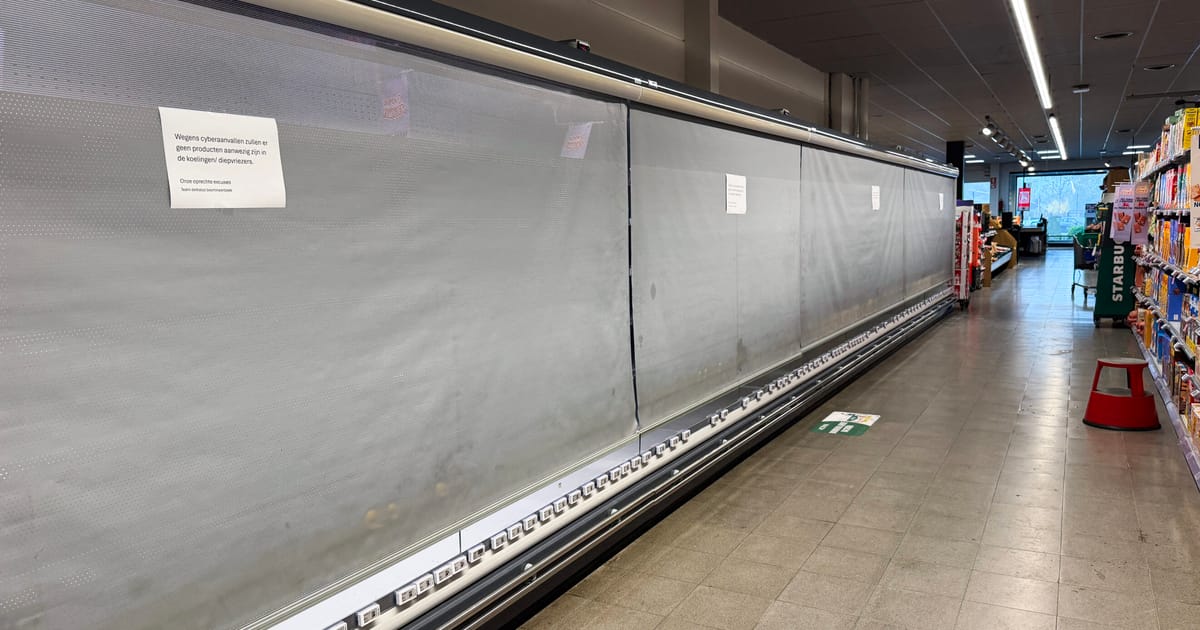
The supermarket hacks could fit a pattern of collaboration between state services and the criminal underworld that has long been observed in Russia. “As geopolitical tensions rise, I expect more of them to either collaborate with criminal groups or masquerade as criminals themselves, using ransomware and extortion as cover for state objectives,” said Joseph Rooke, a senior director at cyber intelligence firm Recorded Future.
There were numerous plausible explanations for the first round of fridge attacks in France — ranging from bored teenagers to a disgruntled former employee. But those attacks highlighted to adversarial foreign nations just how easy it is to target supermarkets, and the level of disruption and confusion it’s possible to cause.
Though many supermarket chains reported that only a small number of their stores were affected, the attacks got people’s attention — and rammed home the message that distant cyberattackers can target critical services. “Cyberattacks do not need to be designed as psychological operations to have cognitive effects,” said Charl van der Walt, head of security research at Orange Cyberdefense.
“At this scale, and also the repetition that this happened, I’m no longer very convinced that this is somebody very innocent,” said Inti De Ceukelaire, a cyber researcher.
Russia’s foreign ministry did not respond to a request for comment. Belgium’s Federal Public Prosecutor’s Office confirmed local media reports Monday that it had opened a criminal investigation into the attacks.
The counterfactuals
Experts cautioned that other potential culprits are still entirely plausible. “All options appear to be open regarding who could have done this, from state actors through to lone actors,” said James Sullivan, director of cyber at British think tank RUSI.
