


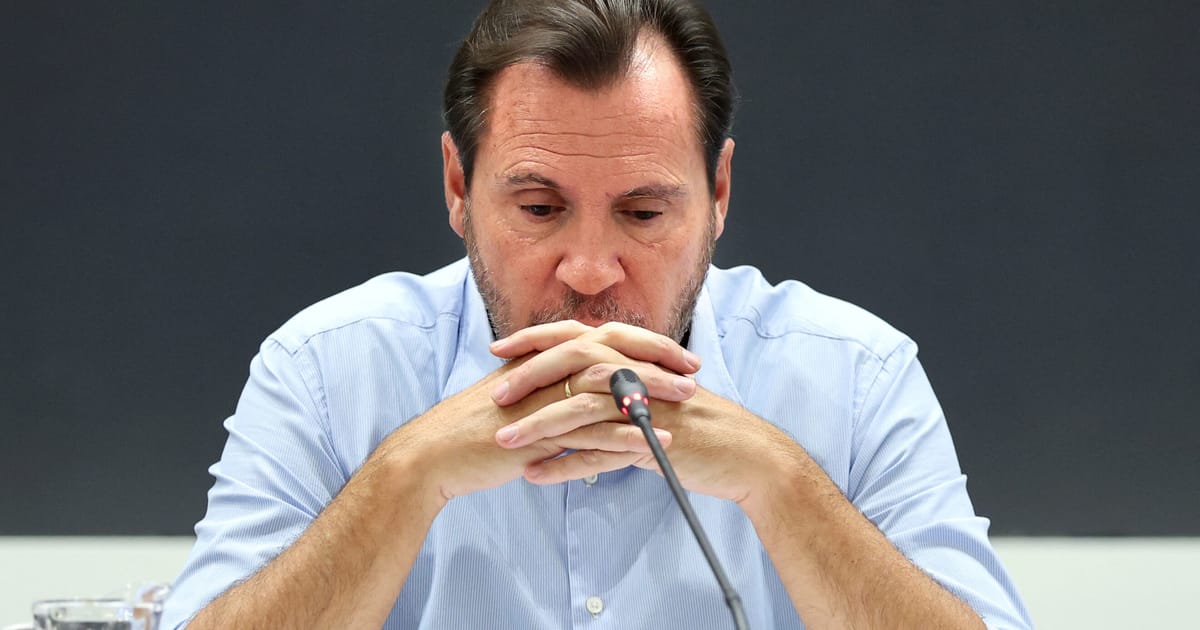
Puente has been cornered by allies and foes alike, who called for him to step down after last week’s train crash, in which 69 people died. It was the second deadly rail disaster in Spain this year after January’s accident in Adamuz, which killed 46 people. Puente had held the post since 2023.
“Puente stood up, stepped up and then stepped aside,” wrote Sánchez in a message on social media. “While some only give lectures, others give it their all,” added the prime minister. Puente had been one of Sánchez’s most trusted lieutenants in taking on the opposition.
Sánchez had backed Puente after the Toledo crash raised questions about how Spain manages its rail infrastructure and dealt a blow to his reelection hopes.
Puente said he made the decision to resign in the moments after the accident — in sharp contrast with statements last week in which he strongly denied he would stand down.
On Oct. 30 he said resigning would be “the easy option.” After a Cabinet meeting on Tuesday morning, Puente brushed off calls for his resignation from some of the government’s allies, including members of Sumar, the coalition’s junior partner.
Government sources had ruled out that scenario as recently as Tuesday afternoon: “He’s not going to resign, and we’re not going to dismiss him.”
Ester Muñoz, the People’s Party parliamentary chief, said that “The resignation comes 116 lives too late,” referencing the lives lost in the two high-profile rail disasters as well as a train driver who died in a separate accident in Catalonia this year.
This story has been updated.
