

Close Menu
NCIJ Network NCIJ Network
    What's Hot

    The latest TLD applications are all about AI

    October 8, 2026

    Eight Malicious npm Packages Downloaded 40,767 Times Deliver Overlord RAT and Stealer

    October 8, 2026

    Ethereum Researcher Says AI May Break Encryption Before Quantum Does

    October 8, 2026
    Facebook X (Twitter) Instagram
    Trending
    • The latest TLD applications are all about AI
    • Eight Malicious npm Packages Downloaded 40,767 Times Deliver Overlord RAT and Stealer
    • Ethereum Researcher Says AI May Break Encryption Before Quantum Does
    • Webb finds a surprising atmosphere on a scorching lava world
    • IMF Chief Kristalina Georgieva Warns of Energy Shocks, Global Debt in 2027
    • DNC sues Trump administration over taxpayer-funded TV ads promoting president
    • The Greens may yet win in Holborn and St Pancras – but what happened to the party set to ‘replace’ Labour? | Andy Beckett
    • George Galloway contests London byelection without setting foot in UK | Holborn and St Pancras byelection
    • About
      • Our Team
      • Editorial Policy
      • Editorial Independence
      • International Support
    • Trust & Standards
      • AI Usage Policy
      • Conflict of Interest Policy
      • Corrections Policy
      • Ethics Policy
      • Fact-Checking Policy
      • Source Protection
    • Get Involved
      • Guide for Sources
      • Support Independent Journalism
    • Legal
      • Cookie Policy
      • Privacy Policy
      • Terms of Use
    Facebook X (Twitter) Instagram
    NCIJ Network NCIJ Network
    Thursday, October 8
    • Home
    • World
    • Ai
    • Business
    • Politics
    • Health
    • Crypto
    • Science
    • Technology
    • Cybersecurity
    • Defense & Security
    • Economy
    • Energy
    • Europe
    • More
      • Fact Check
      • Investigations
      • Opinion & Analysis
      • Environment
    NCIJ Network NCIJ Network
    Home»Science

    Drug target could block brain inflammation linked to Alzheimer’s and Parkinson’s

    NCIJ NETWNCIJ NETWORKBy NCIJ NETWNCIJ NETWORKOctober 7, 2026 Science No Comments3 Mins Read
    Share
    Facebook Twitter LinkedIn Pinterest Email

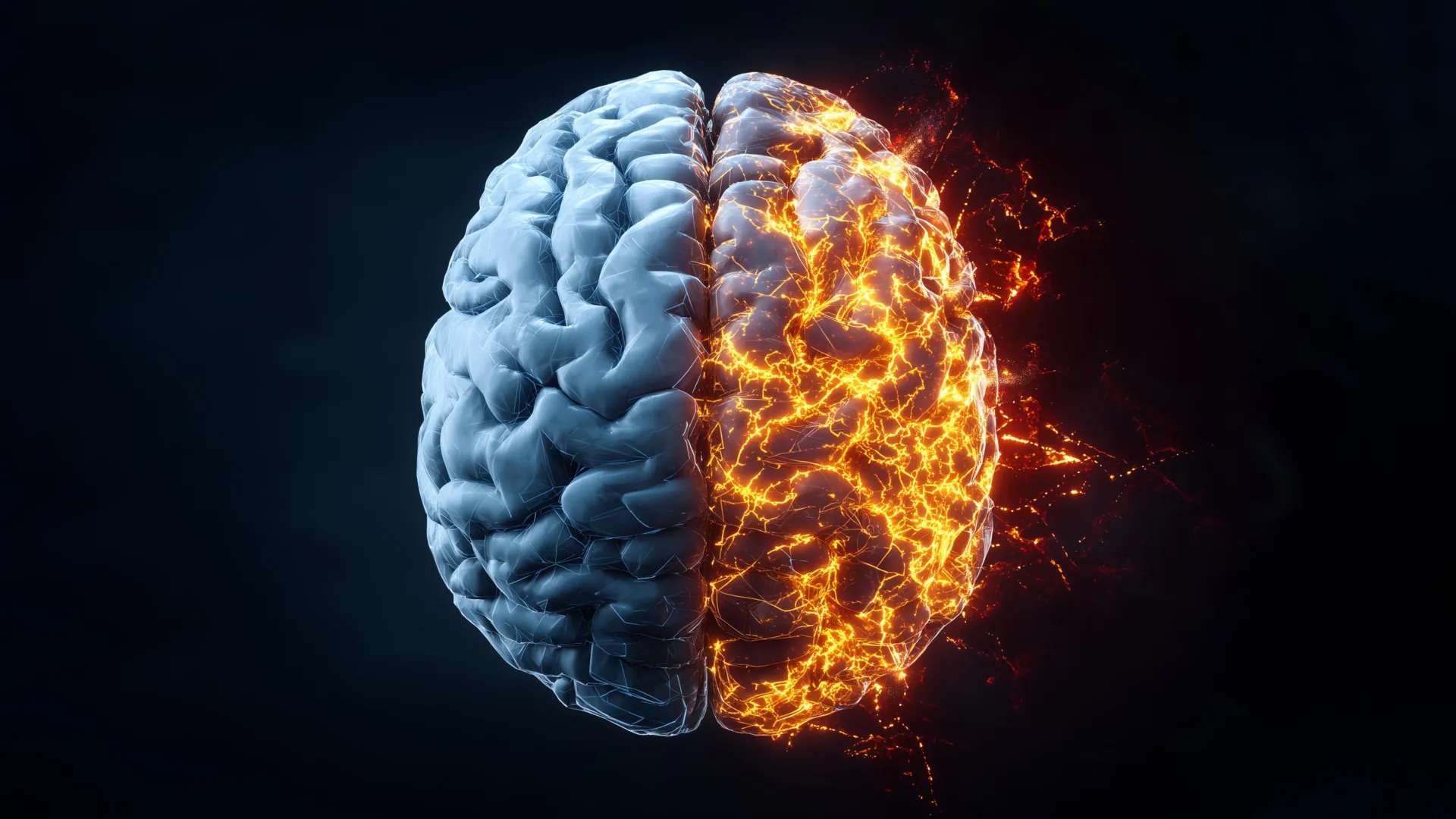
    Scientists may have found a new way to reduce harmful inflammation in the brain by targeting a receptor that can already be blocked with existing drugs.

    The research, published in Brain and led by Professor Nicholas Barnes at the University of Birmingham, identifies the P2X7 receptor as an important driver of neuroinflammation. When researchers blocked this receptor, inflammation in human brain tissue was significantly reduced.

    The findings could eventually have implications for a wide range of neurological and psychiatric conditions in which inflammation is thought to play a role. These include traumatic brain injury (TBI), Alzheimer’s disease, Parkinson’s disease, depression, and psychosis.

    Blocking a Key Driver of Brain Inflammation

    To investigate the receptor, the researchers used live cultures of human brain cells along with slices of brain tissue collected during neurosurgery. They focused on the P2X7 receptor, which helps trigger inflammatory signaling.

    The team found that P2X7 receptors promote the release of cytokines, proteins that help regulate inflammatory responses. When the researchers used a specific antagonist to block the receptor, the inflammatory response in human brain tissue dropped significantly.

    Professor Nicholas Barnes from the College of Medicine and Health at the University of Birmingham and corresponding author of the paper said: “This exciting discovery marks a major step toward repurposing existing therapeutics to combat neuroinflammation at its source. The identification of this receptor could have far-reaching implications for some of the most debilitating and widespread brain disorders such as Alzheimer’s Disease, Parkinson’s and Multiple Sclerosis, or inflammation-linked psychiatric conditions like schizophrenia and depression.”

    Studying the Brain’s Immune Cells

    A major part of the work involved microglia, immune cells that help coordinate the brain’s response to injury and inflammation.

    To study how these cells react to inflammatory signals, the researchers developed a method for converting a type of white blood cell into microglia. This process mirrors a cellular transformation that has recently been identified as occurring naturally in the brain during human aging.

    The team started with human peripheral monocytes collected from blood samples and converted them into microglia-like cells. These cells provided a way to examine how human microglia may respond to inflammatory signals.

    When the researchers applied the P2X7 receptor antagonist, they were able to interfere with signals released by microglia as the cells became damaged and died.

    Professor Barnes said: “Studying human microglia has long been a major challenge: once removed from their native brain environment, they rapidly lose their defining characteristics, likely due to the absence of critical regulatory signals. Our approach involved the use of monocyte-derived microglia which provide a powerful, scalable, and virtually unlimited platform for studying human microglial biology with unprecedented precision.”

    From Lab Models to Human Brain Tissue

    After identifying the response in the lab grown microglia-like cells, the researchers tested whether the same findings could be reproduced in human brain tissue obtained through neurosurgical procedures.

    The successful results in human tissue strengthen the case for further investigation and could eventually lead to clinical trials in people with neurodegenerative diseases or traumatic brain injury.

    Professor Barnes said: “Having identified the response in the human monocyte-derived microglia, this provided the impetus to translate these findings with human brain obtained following neurosurgical procedures. This successful translation means the next stage for this research is the development of clinical trials in patients with neurodegenerative conditions and patients with TBI where there are no effective pharmacological treatments to reduce the neuroinflammation and arising damage.”

    Alzheimers block brain drug inflammation linked Parkinsons Target
    NCIJ NETWNCIJ NETWORK
    • Website

    Keep Reading

    Webb finds a surprising atmosphere on a scorching lava world

    NASA Sets Coverage for SpaceX 35th Station Resupply Launch, Arrival

    Gene therapy and special goggles give some blind people limited sight

    A quake on Mars may have set these rocks rolling

    NASA’s Curiosity Captures Dawn Breaking on Wind-Carved Cliffs

    Block Gifts One Bitcoin To Lucky ComplexCon Attendee

    Add A Comment
    Leave A Reply Cancel Reply

    Editors Picks

    The latest TLD applications are all about AI

    October 8, 2026

    Eight Malicious npm Packages Downloaded 40,767 Times Deliver Overlord RAT and Stealer

    October 8, 2026

    Ethereum Researcher Says AI May Break Encryption Before Quantum Does

    October 8, 2026

    Webb finds a surprising atmosphere on a scorching lava world

    October 8, 2026
    Latest Posts

    British national shot dead in Kashmir by Pakistani security forces | Kashmir

    August 10, 2026

    Climate change doubled likelihood of Canada’s extreme fire weather, study finds

    August 10, 2026

    Scientists say just 7 days of meditation can rewire your brain

    August 10, 2026

    Subscribe to News

    Get the latest sports news from NewsSite about world, sports and politics.

    NCIJ Network is an independent digital news platform delivering trusted investigative journalism, European and global news, in-depth analysis, and fact-based reporting with accuracy, transparency, and integrity.

    Facebook X (Twitter) Instagram Pinterest YouTube

    The latest TLD applications are all about AI

    October 8, 2026

    Eight Malicious npm Packages Downloaded 40,767 Times Deliver Overlord RAT and Stealer

    October 8, 2026

    Ethereum Researcher Says AI May Break Encryption Before Quantum Does

    October 8, 2026

    Subscribe to Updates

    Get the latest creative news from FooBar about art, design and business.

    Type above and press Enter to search. Press Esc to cancel.