


How often does this happen? You open the fridge and find some ingredient you meant to use but didn’t get round to, and even though it’s still edible you think perhaps it’s just easier to throw it away. In the UK it’s estimated that an average household wastes about three meals a week, or 156 meals a year.
Household fridges are one thing. But across the food sector more than 1bn meals’ worth of easily accessible surplus food is wasted each year in the UK for the same reason: because it is easier to throw it away. That equates to 470,000 tonnes – enough to feed every child in the UK three meals a day for a month. When so many people are struggling to afford food, that is a staggering amount, and what’s even more shocking is that it is good quality and nutritious.
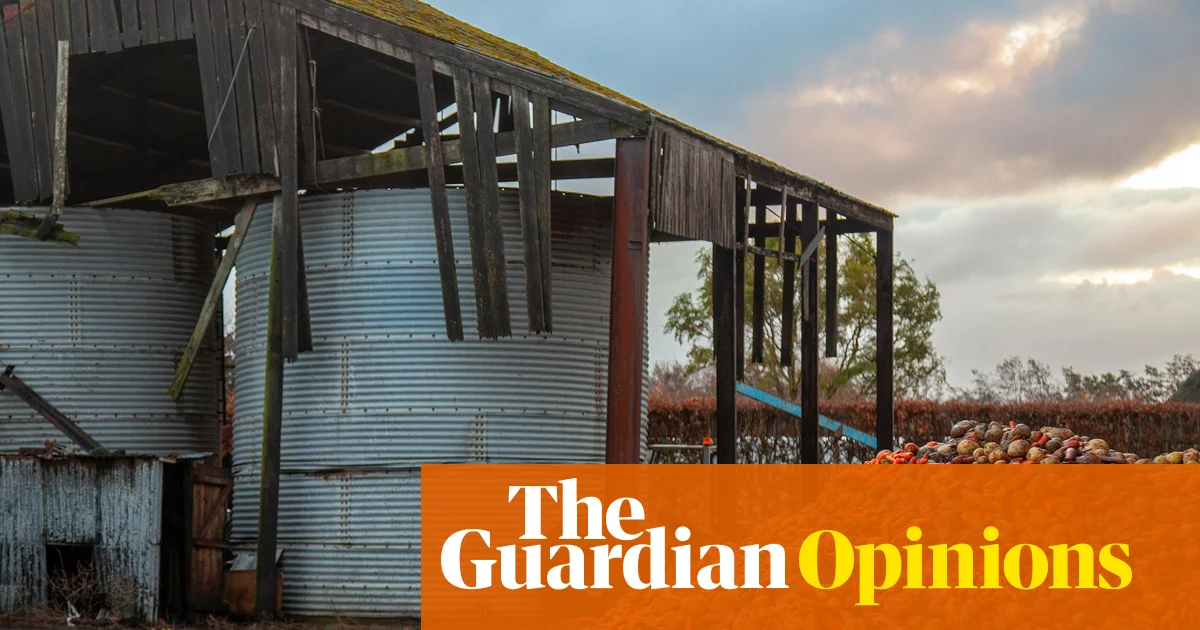
We hear a lot about grocery stores and restaurants throwing out perfectly edible food, but truthfully, they are a minor part of the problem. The vast majority of the food waste, about 850m meals, comes from farms, followed by food manufacturing facilities with 178m meals, another 71m come from the hospitality and food service sector, and finally the retail sector accounts for 12m meals.
And when I say easily accessible, I mean this is food we have the capacity to rescue and get to people. The organisation I head, Felix, is a food rescue charity. We recover edible surplus food that would otherwise go to waste and get it to more than 8,000 organisations doing amazing work feeding people in need. This food sustains lunch clubs for older people where friendships are forged and isolation is addressed. It supports food pantries, where families can access a weekly bag of shopping for just a few pounds. And it can provide meals in homelessness shelters and refuges. But with the levels of food insecurity growing, the need for our food is also rising. So we must rescue more of that billion-meal surplus.
In our food system, unavoidable surplus food is generated at every stage of the supply chain. On farms, unpredictable weather, grading standards and mismatches between harvest volumes and buyer orders contribute to the enormous quantities of edible produce without a home. But we are working with farmers to ensure this food is getting to people’s plates; almost half the food we gave out last year was fresh fruit and vegetables.
In manufacturing, production overruns, packaging changes and quality control measures create surplus that cannot be sold through normal channels. But there are bright spots, and an incredible example is food manufacturer Premier Foods. When their noodle nests don’t pass quality control, we take them and use a partner organisation to repack and label them. We are doing a similar project with 2 Sisters Food Group, a huge manufacturing company that uses late-night surplus factory capacity to repack breaded chicken with minor visual defects.
We are also working with the supermarkets such as Asda, Co-op, Ocado, Sainsbury’s, Tesco and Waitrose. They give us a huge amount of stock that we get straight back out to every part of the UK.
So many companies are doing their bit, but the reason many are not is economics. It is cheaper for a business to waste food than to give it to people: the corporation tax system does not reward food donation in the same way it does a financial one. In addition, public subsidies for alternative disposal routes – such as turning food waste into animal food or biogas – provide profit. This creates a market that actively pulls surplus away from human consumption. We must change this.
That is why Felix has started the Redistribution Revolution. Felix, City Harvest, Community Shop, The Bread and Butter Thing, His Church, Feeding Britain, Neighbourly and the wider Felix and Xcess Networks have formed the Food Redistribution Partnership UK, working together to rescue more food. Backed by the government we have launched a national programme to redistribute surplus food, which aims to triple the amount of food we redistribute over the next decade. According to our research, about 1% of all excess food in the UK food system is redistributed by charities. France redistributes about twice that, while the USA does three times more.
Our revolution needs food businesses to make redistribution the default route for all surplus food, and view it as an opportunity for social good. We need philanthropists to invest in the infrastructure required to store and move the food. And we need the government to change the tax system and make it more financially viable for companies to get food to people.
after newsletter promotion
Finally, we need donations and volunteers to help us rescue and deliver more food.
We know surplus food is out there, and while it is very important to recognise that redistribution is not a systemic solution to poverty, we are certain that good food is going to waste, and rescuing it can be a powerful way to alleviate the symptoms of food insecurity, and to support organisations that are helping people tackle the challenges in their lives.
