


NASA’s SpaceX Crew-12 mission is ending, with the crew scheduled to return in early October. NASA astronauts Jessica Meir and Jack Hathaway, ESA (European Space Agency) astronaut Sophie Adenot, and Roscosmos cosmonaut Andrey Fedyaev will head home from the International Space Station after supporting research that benefits life on Earth and prepares humans for missions into deep space.
Here’s a look back at some of their accomplishments:
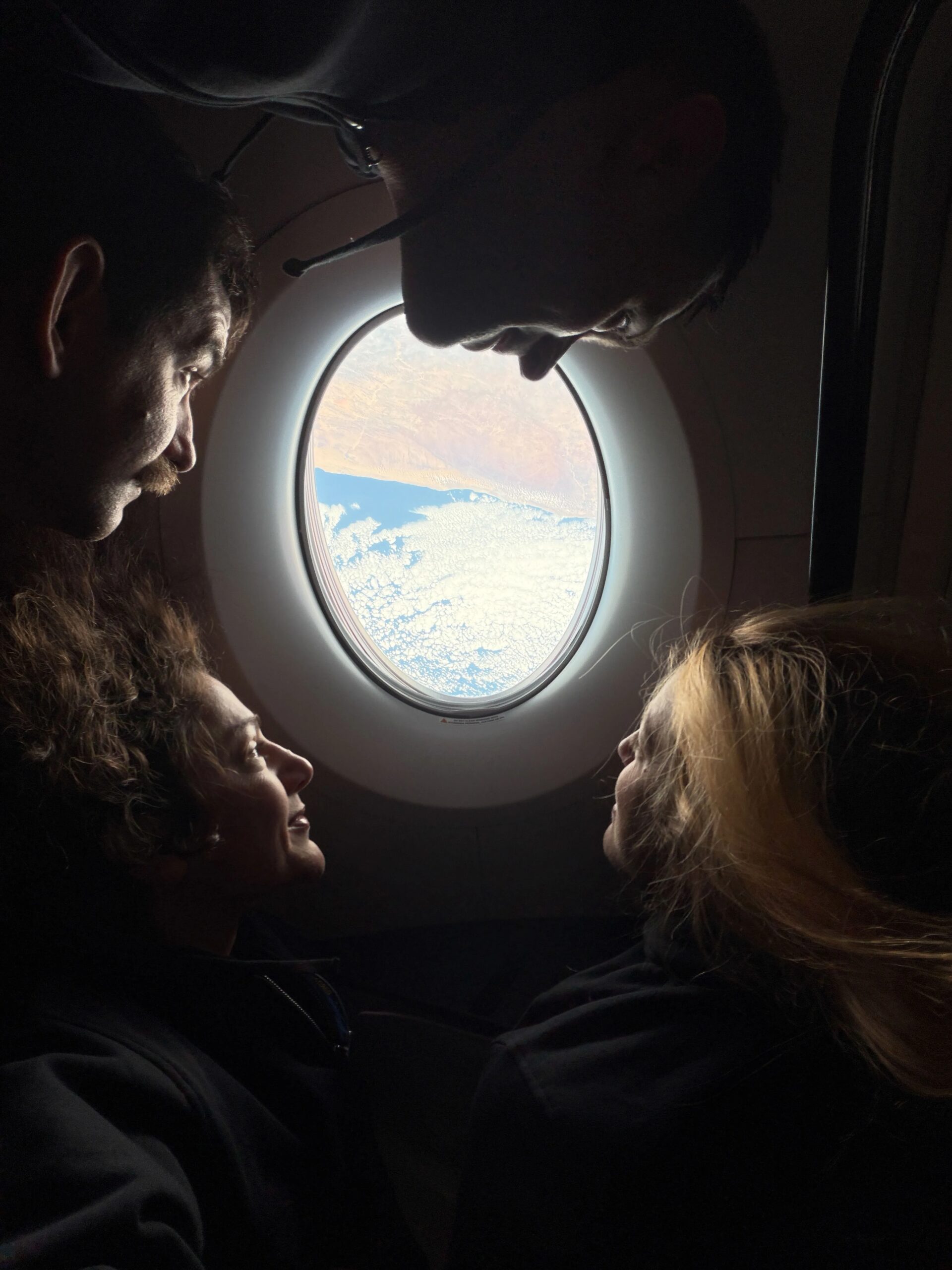
The crew members look out the window of a Dragon spacecraft during their journey to the space station, a destination that offers a unique vantage point to observe both Earth and the cosmos. Research in microgravity allows the scientific community to experiment through a new perspective, from changes in how cells behave to how materials take shape, space offers new paths to scientific discovery.
Learn more about research in microgravity.
Hathaway floats alongside hardware used for crystal growth experiments aboard the orbiting laboratory. Microgravity reveals new details about crystal structures, helping researchers improve the quality and stability of pharmaceuticals. Here, cancer-targeting treatments are crystallized to better understand their properties and help advance cancer therapies on Earth.
Learn more about the Pharmaceutical In-space Laboratory (ADSEP-PIL-15).
Meir works with cables that deliver light used to cool, trap, and study atoms inside the Cold Atom Lab. In microgravity, ultracold atoms can be observed for longer periods, giving scientists a window to peer into the quantum realm. A recent upgrade to the facility increases the number of atoms produced, providing more data to advance quantum technologies such as solar cells and the components that power cell phones and computers.
Learn more about the Cold Atom Lab.
Adenot holds a small container that houses a bone scaffold made from wood, designed to mimic the structure of real bones and support the growth of bone cells. Since microgravity can accelerate bone loss, it offers a unique opportunity to test how well the scaffold promotes bone regeneration. Insights from this study could protect future space explorers and provide new treatment options for patients with osteoporosis, a disease that affects more than 200 million people globally.
Learn more about Green Bone.
Meir sets up hardware for an investigation that studies soft materials made from tiny particles suspended in water. In microgravity, scientists can study how these particles interact and assemble into structures differently than they do on Earth. Understanding these interactions could help scientists fine-tune the texture, stability, and performance of materials used for growing plants, 3D printing, and producing pharmaceuticals.
Learn more about Colloidal Solids.
Hathaway holds equipment to test for antibiotic-resistant bacteria aboard the space station. Some bacteria can withstand antibiotics, starvation, and disinfection, making them a concern in closed environments like spacecraft. Sequencing DNA in microgravity can reveal how resilient microbes adapt to space, helping scientists identify countermeasures to manage antibiotic‑resistant bacteria during exploration missions while also advancing efforts to combat resistance on Earth.
Learn more about CS-05A: Genomic Enumeration of Antibiotic Resistance in Space (GEARS).
Expedition 74 crew members smile among fresh produce delivered aboard NASA’s Northrop Grumman Commercial Resupply Services 24 mission. Cargo flights bring critical supplies, fresh food, sweet treats, and new science to the space station. The Cygnus XL spacecraft also delivered many research projects, including an instrument that could improve space-weather modeling and a project that could help protect gut-microbiome stability on future exploration missions.
Meir works on an investigation that studies how engineered cartilage tissue develops in microgravity, which may help scientists produce medical implants that more closely resemble natural cartilage. For millions of people with cartilage injuries, space-grown tissue could offer treatment options that don’t require transplanting cartilage from another part of the body.
Learn more about Biomimetic Tissue Engineering in Microgravity for Cartilage using Aggregate Rejuvenation, Tension, and Self-Assembly (BEM-CARTS).
Adenot installs the Metal 3D Printer aboard the orbital complex. Several small metal parts have already been 3D printed in microgravity and returned to Earth, where their quality is evaluated against those made on the ground. Producing metal parts on demand in space could give future crews the ability to make or replace what they need far from Earth, reducing reliance on spare parts and resupply missions.
Learn more about Metal 3D Printer.
Adenot works to produce intravenous (IV) fluid on demand in microgravity. Commercial IV fluids expire after about 16 months and carrying them on long-duration missions adds weight and takes up valuable space. This system could provide a critical medical resource when resupply is limited and improve access in remote areas or during emergencies on Earth.
Learn more about Intravenous Fluid Generation – Mini (IVGEN Mini).
Hathaway takes a selfie as Meir conducts a stem cell investigation in space. Microgravity can help produce larger numbers of clinical-grade stem cells that retain their ability to transform into other cells. Cells used in this experiment could help rebuild blood and immune systems after chemotherapy, advancing care for leukemia and other blood diseases on Earth.
Learn more about the Hematopoietic Stem Cell Expansion in Space: Pathfinder Investigation (InSPA-StemCellEX-H2).
Hathaway holds an experiment container that uses bone marrow cells to study how microgravity affects bone and muscle. The research uses structures that mimic parts of bone marrow, and some samples are exposed to vibrations that simulate exercise. Tracking changes in these cells could reveal new ways to combat bone and muscle loss during spaceflight and support bone health on Earth.
Learn more about 3D Bone Marrow Analog.
