


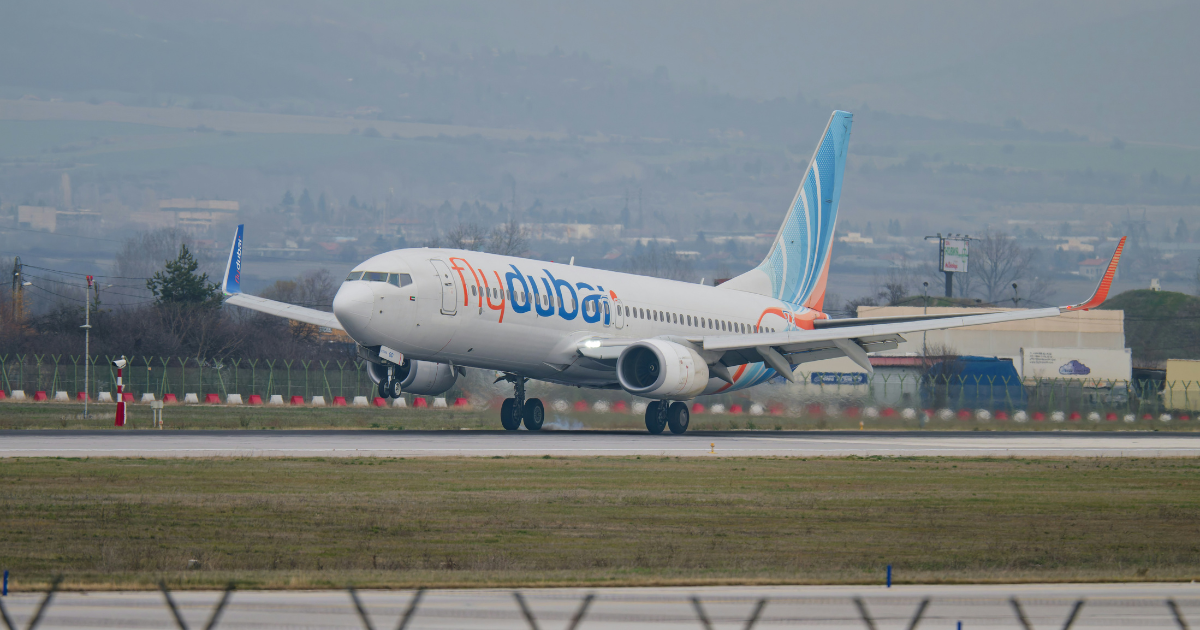
A video clip which appears to show a BBC News presenter saying that an Indian passenger was reportedly involved in an attack on a Flydubai flight bound for Tel Aviv is a deepfake.
The BBC confirmed the video isn’t real, and there are several clues that the footage has been manipulated. The claims made in the video haven’t been reported by any credible news outlets either.
In the clip being shared on social media, the presenter appears to say: “A Flydubai flight FZ1073 from Dubai to Tel Aviv survived an attempted hijacking. Reportedly, passenger Raghav Menon, described as an Indian national, attempted to hijack the Dubai Tel Aviv-bound flight.”
But this hasn’t really been reported by the BBC, and we’ve not seen any credible reports about a passenger named “Raghav Menon” having been on board or involved in the incident.
Join 75,000 newsletter subscribers who trust us to check the facts
Sign up to get weekly updates on politics, immigration, health and more.
Subscribe to weekly email newsletters from Full Fact for updates on politics, immigration, health and more.
Our fact checks are free to read but not to produce, so you will also get occasional emails about fundraising
and other ways you can help. You can unsubscribe at any time. For more information about how we use your data
see our Privacy Policy.
Reportedly, one pilot stabbed the other on the flight from Dubai to Tel Aviv on Wednesday (30 September). The suspected attacker was arrested by Saudi authorities and has been identified by Israel as an Omani national, but at the time of writing has not been named. The stabbed pilot has been identified as an Indian national, Captain Smit Machchhar.
The newsreader in the video is Sally Bundock. We found a video of her wearing the same outfit posted to the BBC’s YouTube channel on 29 September, the day before the Flydubai incident took place. In that real BBC video she is speaking about OpenAI scrapping the rollout of a new ChatGPT model, and does not make the statement shared in the viral clip.
The audio in the fake clip also doesn’t sound like Ms Bundock’s real voice, with a different accent. Glitches around the mouth are another clue that AI has been used to make it look like she is saying something else.
The text that appears on the ‘breaking news’ banner at the bottom of the screen also does not match the font or style used in real BBC broadcast output, and the top left corner of the video contains a semi-transparent AI watermark which overlaps with the BBC icon.
Misinformation spreads quickly online, so it’s especially important to consider whether something is likely to be genuine before sharing. Our guide on how to spot deepfake videos and misinformation toolkit can help you do this.
