


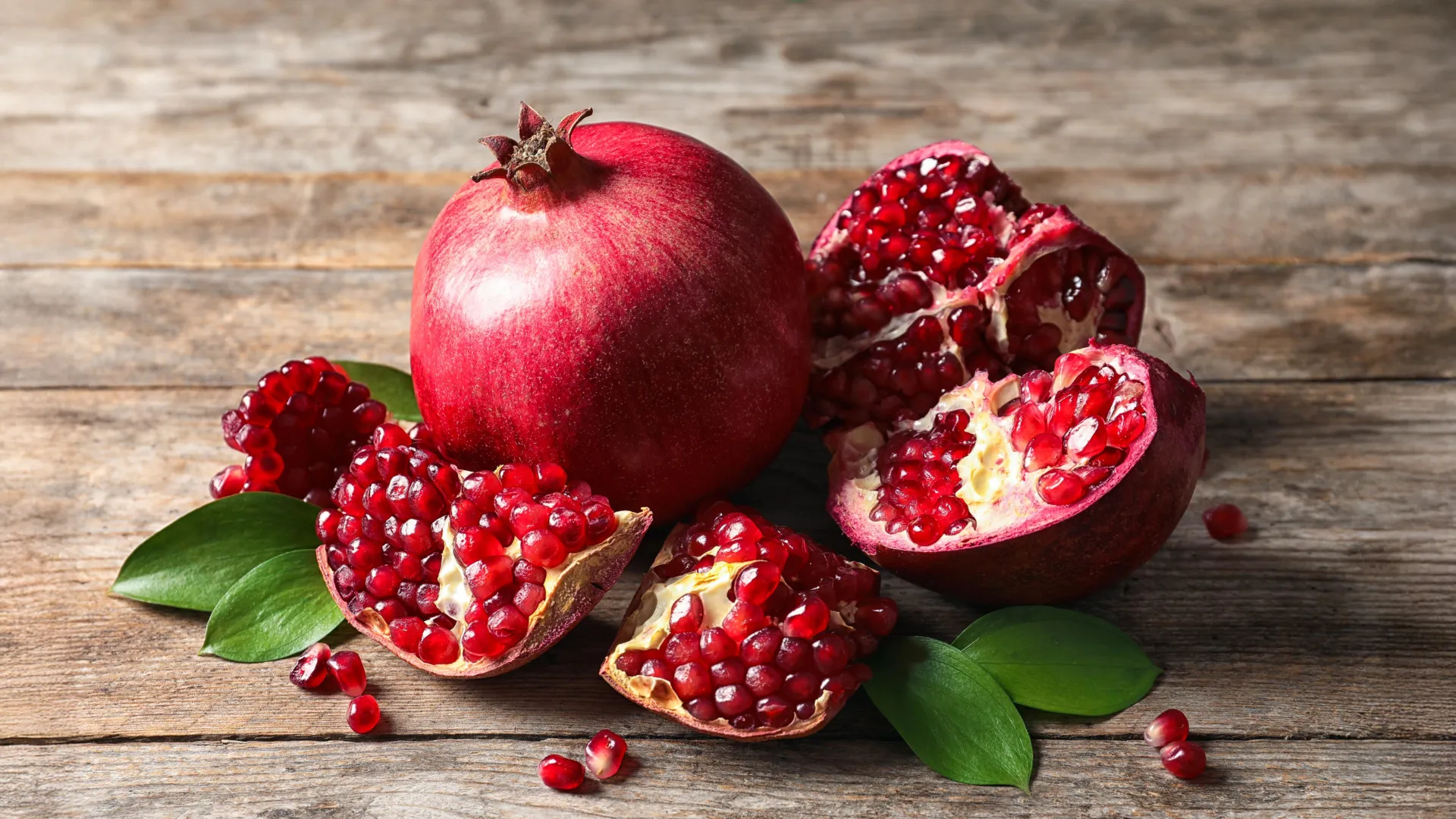
A natural compound the body produces after consuming foods such as pomegranates may improve heart function by as much as 80% in experimental models of a form of heart failure that currently has relatively few treatment options.
Researchers at King’s College London found that urolithin A, which is produced in the body after eating foods including pomegranates, walnuts and some berries, can help the heart relax more effectively. The compound also reduced scarring and limited harmful enlargement of the heart.
A Difficult Form of Heart Failure to Treat
The findings could eventually benefit nearly half a million people in the UK who have a form of heart failure in which the heart can still pump blood effectively but becomes too stiff to relax properly between beats. As a result, the heart has more difficulty filling with blood.
This condition, known as heart failure with preserved ejection fraction, accounts for roughly half of all heart failure cases. It can cause shortness of breath, fatigue, reduced ability to exercise and a poorer overall quality of life.
Treatment options remain relatively limited. The condition is difficult to manage because many different factors can contribute to it, including aging, high blood pressure, and diabetes. Because the heart continues to pump normally but does not relax and fill properly, many traditional heart failure treatments are less effective. Clinicians therefore tend to focus on treating underlying conditions and recommending lifestyle changes, including weight loss and better blood sugar control.
Dr. Joseph Burgoyne, senior author of the study, King’s College London, said: “This type of heart failure is becoming increasingly common as populations age and rates of obesity and diabetes rise. Despite its growing burden, treatment options remain limited because the disease is complex and varies considerably between patients.”
How Urolithin A Affects the Heart
Scientists have become increasingly interested in urolithin A because of its associations with healthy aging and mitochondrial function, a process in the body which generates energy.
For the first time, the researchers found that urolithin A activates a protein called PKGlα, which plays an important role in blood vessel function and the relaxation of heart muscle. The compound acts on a specific amino acid within the protein, triggering a pathway associated with cardiovascular benefits.
In animal models, treatment with urolithin A improved measures of heart function by as much as 80% compared with models that did not receive the compound. Laboratory experiments also showed that urolithin A helped heart tissue relax more effectively and reduced fibrosis, the harmful scarring that can interfere with normal heart function.
The compound also limited enlargement of heart muscle cells compared with controls, helping the cells maintain more normal function.
Results in Engineered Human Heart Tissue
The team also tested urolithin A in engineered human heart tissue created from human stem cells. This is a cutting-edge laboratory model that closely mimics the structure and function of human heart muscle.
Urolithin A significantly improved relaxation in the engineered tissue, suggesting that the effects seen in animal models could potentially translate to human heart function.
Unlike many compounds being explored as experimental treatments, urolithin A has already been studied in humans and has shown a favorable safety profile.
More research will still be required before the findings can lead to treatments for patients. However, the results point to both a promising therapeutic target and a naturally derived compound that could help researchers address an important unmet need in cardiovascular medicine.
A Potential New Therapeutic Target
Dr. Joseph Burgoyne, senior author of the study, said: “This type of heart failure remains one of the most challenging forms of heart disease to treat. Our findings identify a completely new therapeutic target and show that urolithin A can activate this pathway to improve heart relaxation and reduce disease severity. This raises the exciting possibility of developing new treatments that improve clinical outcomes and quality of life for people living with the condition.
“While there isn’t enough evidence to suggest that people should eat pomegranates to treat heart failure, these findings raise the possibility that dietary approaches that enhance urolithin A production may help alleviate this condition.”
Dr. Joseph Burgoyne is a cardiovascular scientist at King’s College London whose work focuses on the molecular processes that regulate the health of the heart and blood vessels. His research examines how cells respond to oxidative stress and is helping reveal new mechanisms involved in blood pressure, heart function and vascular health. By identifying these fundamental biological processes, his work aims to support the development of new treatments for cardiovascular diseases such as hypertension and heart failure, with the ultimate goal of improving patient outcomes.
Clinical Trials Are Still Needed
Professor James Leiper, Director of Research at the British Heart Foundation, said: “Heart failure with preserved ejection fraction (HFpEF) makes up roughly half of all heart failure cases in the UK, and can be debilitating. This early-stage study in experimental models suggests that urolithin A may help to improve the heart tissue’s ability to relax and fill with blood between beats, reducing the harmful changes to the heart muscle seen in HFpEF.
“While these findings are promising, the benefits have so far been seen in animals and engineered human tissue, so clinical trials involving people are needed to test if this approach is effective for patients. In the meantime, a healthy, balanced diet remains one of the best ways to look after your heart. Eating plenty of fruit and vegetables is linked to better heart health, but it’s important to remember that no single food can prevent or treat heart disease on its own.”
The study was published in Science Advances and funded by the British Heart Foundation.
A compound produced in the body after eating pomegranates improves heart function by up to 80% in a type of heart failure with limited treatment options.
Scientists at King’s College London have discovered that urolithin A – a natural compound produced in the body after consuming foods such as pomegranates, walnuts and some berries – improves the heart’s ability to relax, reduces scarring and prevents harmful enlargement of the heart.
The finding could give hope to nearly half a million people in the UK who have a type of heart failure where the heart retains its ability to pump blood but becomes stiff and less able to relax between beats, making it harder to fill with blood. This is known as heart failure with preserved ejection fraction and accounts for around half of all heart failure cases. The condition can lead to breathlessness, fatigue, reduced ability to exercise and an overall poor quality of life.
Despite its growing prevalence, effective treatments remain relatively limited. The condition is hard to treat because it is driven by many different factors – including aging, high blood pressure, and diabetes. As the heart can still pump normally, but becomes stiff and does not fill properly, heart failure treatments are less effective. Instead, clinicians focus on managing the underlying conditions and advise lifestyle modifications, such as weight loss and controlling blood sugar.
Dr. Joseph Burgoyne, senior author of the study, King’s College London, said: “This type of heart failure is becoming increasingly common as populations age and rates of obesity and diabetes rise. Despite its growing burden, treatment options remain limited because the disease is complex and varies considerably between patients.”
Urolithin A has attracted growing interest in recent years because of its links to healthy aging and mitochondrial function, a process in the body which generates energy.
In a research first, the scientists discovered that urolithin A activates a protein called PKGlα, which plays an important role in both blood vessel function and heart muscle relaxation. Urolithin A targets a specific amino acid on the protein, activating a pathway resulting in cardiovascular benefits.
Animal models treated with urolithin A had improved measures of heart function by up to 80% compared to models which were not treated with urolithin A. The laboratory experiment revealed that urolithin A increased the heart tissue’s ability to relax and reduced harmful scarring, also known as fibrosis, compared to controls. The compound also reduced enlargement of heart muscle cells compared to controls, helping to preserve normal cell function.
The researchers also tested urolithin A in engineered human heart tissue created from human stem cells. This is a cutting-edge laboratory model that closely mimics the structure and function of human heart muscle. Urolithin A significantly improved tissue relaxation in these cells, suggesting the findings could translate to human cardiac function.
Unlike many experimental compounds, urolithin A has already been evaluated in human studies and shows to have a favourable safety profile.
While more research is needed before the findings can be translated into treatments for patients, the study identifies both a promising new drug target and a naturally derived compound that could help address a significant challenge in cardiovascular medicine.
Dr. Joseph Burgoyne, senior author of the study, said: “This type of heart failure remains one of the most challenging forms of heart disease to treat. Our findings identify a completely new therapeutic target and show that urolithin A can activate this pathway to improve heart relaxation and reduce disease severity. This raises the exciting possibility of developing new treatments that improve clinical outcomes and quality of life for people living with the condition.
“While there isn’t enough evidence to suggest that people should eat pomegranates to treat heart failure, these findings raise the possibility that dietary approaches that enhance urolithin A production may help alleviate this condition.”
Dr. Joseph Burgoyne is a cardiovascular scientist at King’s College London whose research is uncovering the molecular mechanisms that control the health of the heart and blood vessels. His work focuses on how cells respond to oxidative stress, revealing new ways that blood pressure, heart function and vascular health are regulated. By identifying these fundamental biological processes, his research aims to develop new treatments for cardiovascular diseases such as hypertension and heart failure, with the ultimate aim of improving outcomes for patients.
This study was funded by the British Heart Foundation.
Professor James Leiper, Director of Research at the British Heart Foundation, said: “Heart failure with preserved ejection fraction (HFpEF) makes up roughly half of all heart failure cases in the UK, and can be debilitating. This early-stage study in experimental models suggests that urolithin A may help to improve the heart tissue’s ability to relax and fill with blood between beats, reducing the harmful changes to the heart muscle seen in HFpEF.
“While these findings are promising, the benefits have so far been seen in animals and engineered human tissue, so clinical trials involving people are needed to test if this approach is effective for patients. In the meantime, a healthy, balanced diet remains one of the best ways to look after your heart. Eating plenty of fruit and vegetables is linked to better heart health, but it’s important to remember that no single food can prevent or treat heart disease on its own.”
The study was published in Science Advances.
