

Close Menu
NCIJ Network NCIJ Network
    What's Hot

    Syrian Hacker Behind Fake Tweet That Triggered $136 Billion Market Drop Gets 42 Months in Prison

    October 31, 2026

    Scientists discover metals that defy the deep freeze at -424°F

    October 31, 2026

    Drupal Commerce Core Vulnerability Exploited Against Online Stores 

    October 31, 2026
    Facebook X (Twitter) Instagram
    Trending
    • Syrian Hacker Behind Fake Tweet That Triggered $136 Billion Market Drop Gets 42 Months in Prison
    • Scientists discover metals that defy the deep freeze at -424°F
    • Drupal Commerce Core Vulnerability Exploited Against Online Stores 
    • Northflank security breach leads to abuse of customers’ AI API keys
    • Betsi Cadwaladr proposes closure of three Gwynedd urgent care centres
    • Environmental defenders testify about attacks in Latin America linked to Canadian mining companies
    • France’s third weekend of social protests sees lower turnout and early clashes in major cities
    • A world-first focus on long-term outcomes could transform UK government – or create new spending fights | Economic policy
    • About
      • Our Team
      • Editorial Policy
      • Editorial Independence
      • International Support
    • Trust & Standards
      • AI Usage Policy
      • Conflict of Interest Policy
      • Corrections Policy
      • Ethics Policy
      • Fact-Checking Policy
      • Source Protection
    • Get Involved
      • Guide for Sources
      • Support Independent Journalism
    • Legal
      • Cookie Policy
      • Privacy Policy
      • Terms of Use
    Facebook X (Twitter) Instagram
    NCIJ Network NCIJ Network
    Saturday, October 31
    • Home
    • World
    • Ai
    • Business
    • Politics
    • Health
    • Crypto
    • Science
    • Technology
    • Cybersecurity
    • Defense & Security
    • Economy
    • Energy
    • Europe
    • More
      • Fact Check
      • Investigations
      • Opinion & Analysis
      • Environment
    NCIJ Network NCIJ Network
    Home»Environment

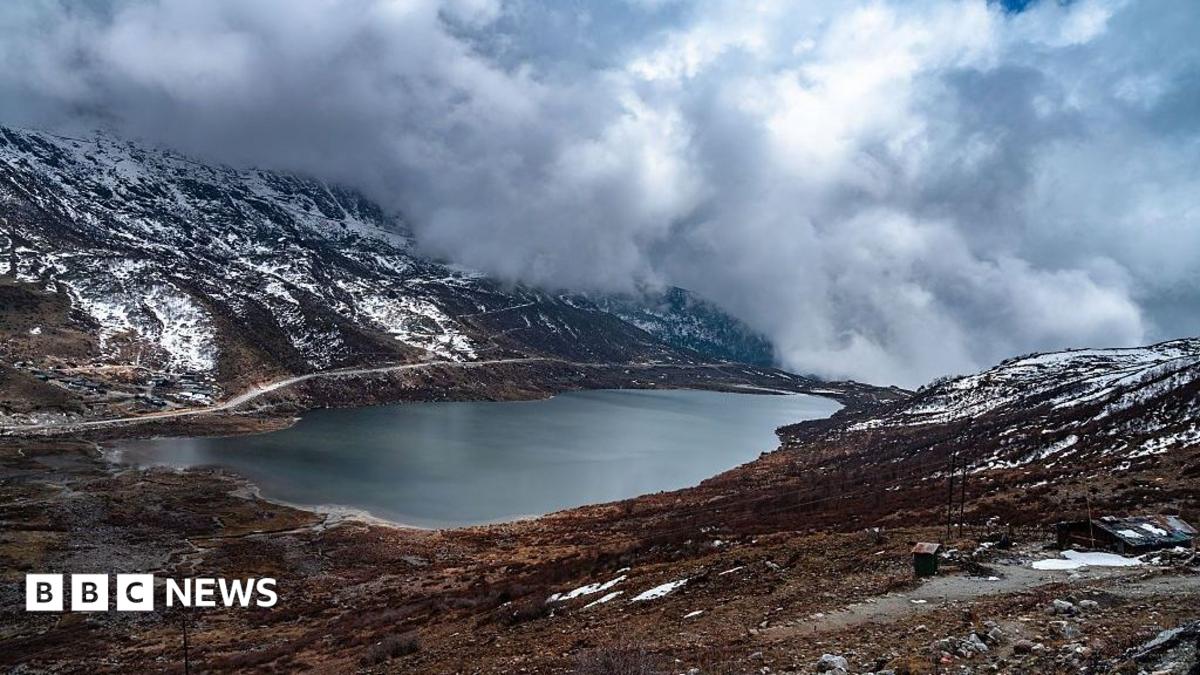
    Nepal floods: The Himalayas are melting faster – and India’s economy is ‘at risk’

    NCIJ NETWNCIJ NETWORKBy NCIJ NETWNCIJ NETWORKSeptember 13, 2026 Environment No Comments2 Mins Read
    Share
    Facebook Twitter LinkedIn Pinterest Email

    “This is national and international infrastructure,” he said, warning that the ecological system underpinning it is “approaching a tipping point”.

    Not all the forces driving glacier loss are beyond the region’s control.

    The Systemiq research estimates that roughly a third of Himalayan glacier melt is driven by black carbon, much of it originating from brick kilns in the plains. Soot deposited on snow and ice absorbs more sunlight and accelerates melting.

    Unlike global greenhouse-gas emissions, black-carbon pollution is a lever that India and its neighbours can act on directly, the report argues.

    “The Himalayas are approaching a tipping point, with millions of lives and livelihoods hanging in the balance,” said Arushi Chopra, Systemiq’s senior director and lead author. “Glaciers are melting faster than they were a decade ago.”

    The report proposes 10 priority transitions, ranging from reducing black-carbon emissions and expanding glacier monitoring to improving disaster early-warning systems and changing the way tourism is developed in the mountains.

    One priority is to strengthen disaster preparedness, with governments agreeing in advance what action to take when hazards emerge – from evacuation to protecting vulnerable infrastructure.

    Another is to rethink tourism. The Indian Himalayan region receives roughly 400 million tourist visits a year, according to the report, and researchers argue that the objective should shift from maximising visitor numbers towards generating value that is retained and reinvested locally.

    Pema Gyamtsho, director general of ICIMOD, said the risks were becoming increasingly complex.

    “Glaciers are retreating, permafrost and high-mountain slopes are becoming increasingly unstable, and communities and infrastructure downstream face growing risks from complex and cascading hazards,” he said.

    And those risks do not stop at the borders drawn across the Himalayas. Such hazards, Gyamtsho said, “do not respect national borders, and no single country can address them alone”.

    That makes cross-border monitoring, shared risk information and early-warning systems, and joint investment in resilience increasingly urgent – not just to save lives, but to protect the livelihoods and economies of hundreds of millions of people who depend on the mountains.

    Economy Faster floods Himalayas Indias melting Nepal Risk
    NCIJ NETWNCIJ NETWORK
    • Website

    Keep Reading

    Environmental defenders testify about attacks in Latin America linked to Canadian mining companies

    Fishing cat rescue-and-release offers potential model for conservation in Bangladesh

    Pemba’s new marine protected areas show the power of collaboration to meet 30×30 goal

    Why Microplastics Are So Dangerous for Human Health

    Pennsylvania Opens a New Loophole for Oil and Gas Wastewater Disposal

    A Year After Floodwaters Swept Away an Alaskan Native Village, Residents Remain in Limbo

    Add A Comment
    Leave A Reply Cancel Reply

    Editors Picks

    Syrian Hacker Behind Fake Tweet That Triggered $136 Billion Market Drop Gets 42 Months in Prison

    October 31, 2026

    Scientists discover metals that defy the deep freeze at -424°F

    October 31, 2026

    Drupal Commerce Core Vulnerability Exploited Against Online Stores 

    October 31, 2026

    Northflank security breach leads to abuse of customers’ AI API keys

    October 31, 2026
    Latest Posts

    A black hole shredded a “super sun” — but something strange may have survived

    August 16, 2026

    T20 and T42: SurancePlus raise was 95% Oxbridge-funded

    August 16, 2026

    Someone Finally Fixed Installing Apps on a Mac

    August 16, 2026

    Subscribe to News

    Get the latest sports news from NewsSite about world, sports and politics.

    NCIJ Network is an independent digital news platform delivering trusted investigative journalism, European and global news, in-depth analysis, and fact-based reporting with accuracy, transparency, and integrity.

    Facebook X (Twitter) Instagram Pinterest YouTube

    Syrian Hacker Behind Fake Tweet That Triggered $136 Billion Market Drop Gets 42 Months in Prison

    October 31, 2026

    Scientists discover metals that defy the deep freeze at -424°F

    October 31, 2026

    Drupal Commerce Core Vulnerability Exploited Against Online Stores 

    October 31, 2026

    Subscribe to Updates

    Get the latest creative news from FooBar about art, design and business.

    Type above and press Enter to search. Press Esc to cancel.