


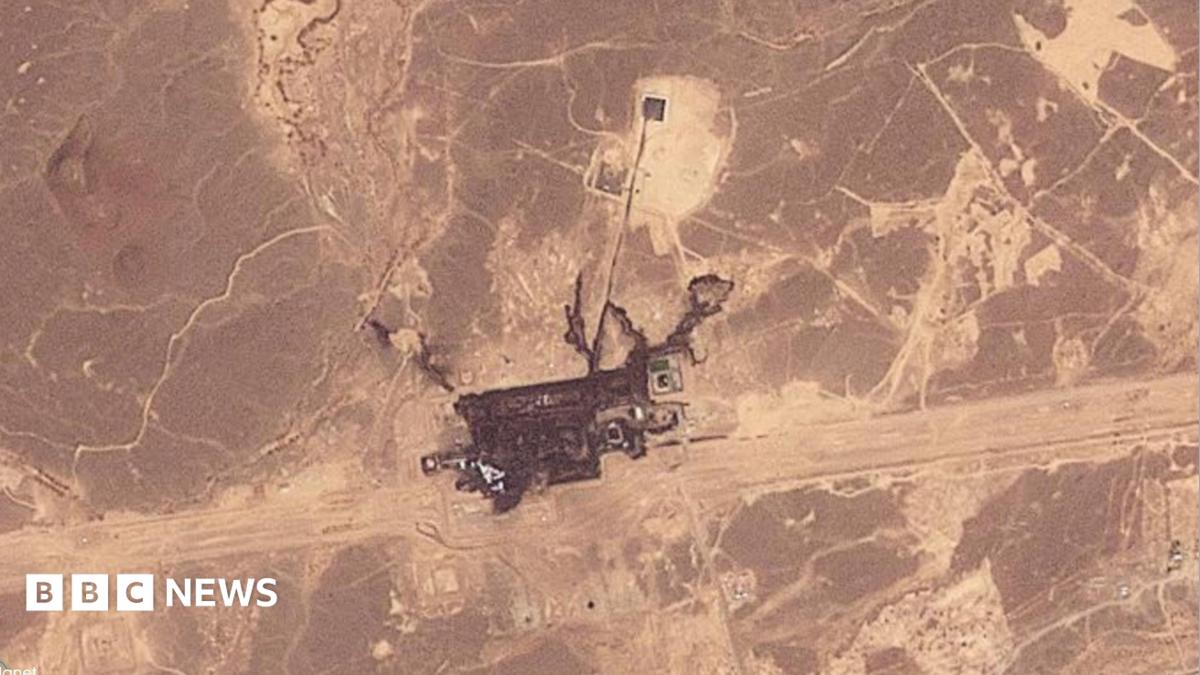
This week, a lightning advance in Yemen has also seen Houthi militants seize control of much of the country’s coastline, sources say.
The group said it had control of the Bab al-Mandab Strait, the gateway to the Red Sea and the Suez Canal, though it said maritime navigation is “safe for all companies except for Saudi vessels”.
The Yemeni Armed Forces have since struck back. On Friday, spokesman Majid al-Nuzaili said they had targeted Houthi positions in and around the city of Mokha, adding that they had destroyed vehicles and weapons and killed a number of Houthi fighters.
The strategic coastal city on the Red Sea is situated about 80km (50 miles) north of the Bab al-Mandab Strait. The Houthis seized control of Mokha on Thursday. Their attack drove many people to flee to Aden, where Yemen’s internationally recognised Presidential Leadership Council and government are based.
Local sources also reported that government forces carried out air strikes targeting Houthi forces in Taiz governorate, which is along the Red Sea coast, and Ibb governorate, which neighbours Taiz.
On Saturday the UN said at least 76,000 people had been displaced in Yemen since July, with the number quadrupling in the past week. It warned of a “rapidly worsening displacement crisis in Yemen unfolding by the hour”.
“Entire families are on the move, often at night. They have nowhere safe to go… They are exhausted. Their resources are gone. Most fled with nothing but the clothes on their backs,” the UN statement said.
The developments have squeezed both sides of the Arabian Peninsula, pushing crude oil prices to over $100 a barrel for the first time since July.
Fears over inflation have risen with the spike in energy prices, further pushing up government borrowing costs.
