


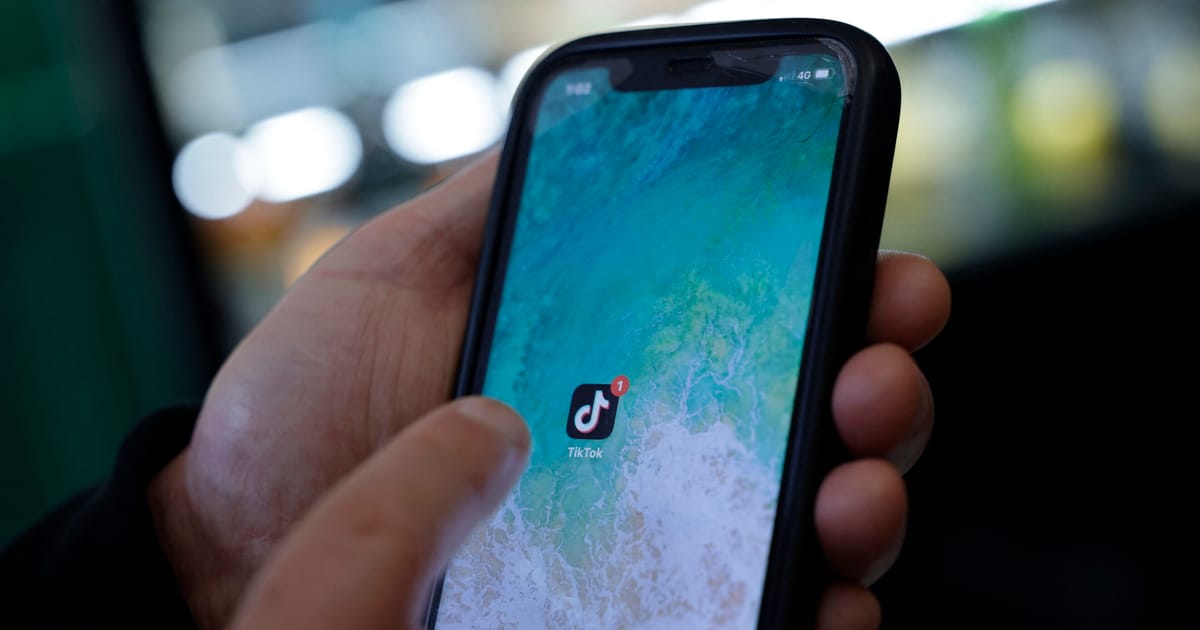
“We follow the evolution of the platform, in particular the status of developments regarding data protection and cybersecurity concerns,” the Commission said.
There is little sign the Commission’s policy is about to change. Dana Spinant, the Commission’s director-general for communications, opposes creating an official account, according to another official familiar with the discussions. Spinant did not respond to a request for comment.
A third official said there was frustration in some commissioners’ cabinets that Brussels was absent from a platform where young Europeans increasingly derive their news and views. A second official argued that Russia has no such qualms about using social media platforms to influence European public opinion and that the Commission could not afford to cede ground.
The debate comes as President Ursula von der Leyen and her commissioners are seeking to reach more Europeans using social media. Von der Leyen will invite influencers, including some who share content on TikTok, to her State of the Union speech this month. The third official called it ironic that the Commission is encouraging influencers to communicate its message on a platform while refusing to establish a presence there itself.
The Commission is instead increasingly turning to YouTube, a U.S.-based platform where it has more than 500,000 subscribers, according to two of the officials.
