


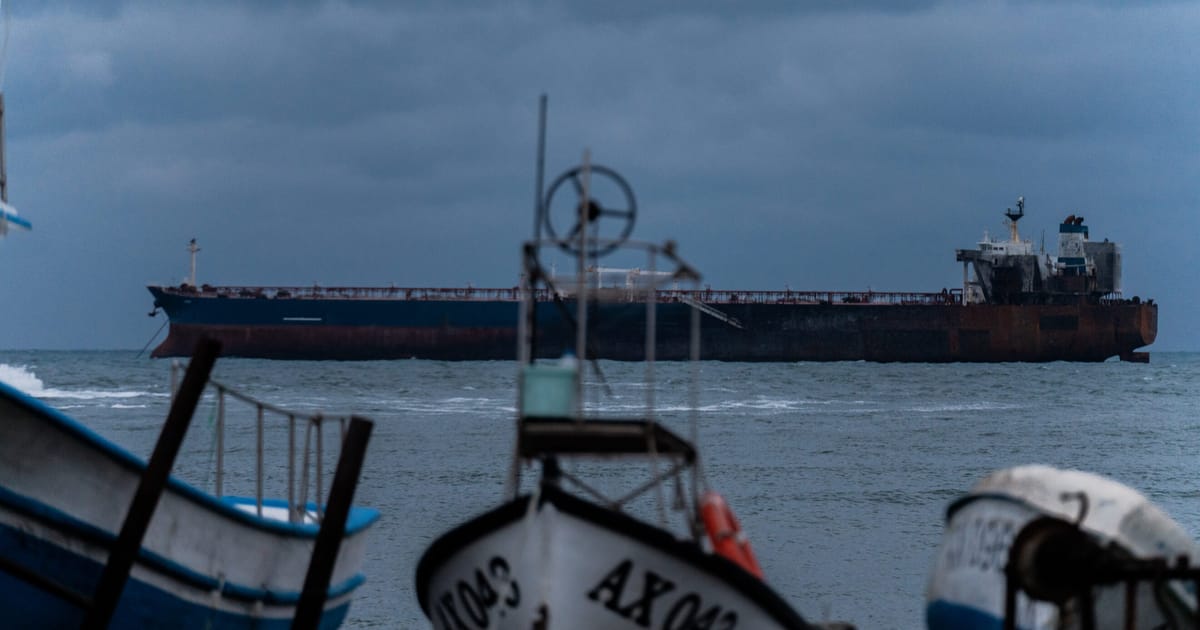
But some ships that have nothing to do with Russia or Ukraine are also finding themselves caught in the middle of this drone battle.
To be sure, Ukraine’s drone attacks are extremely precise, which means there is little risk that a drone intended to hit one vessel ends up hitting another. Still, tankers and other ships now operate in a world where they may accidentally become drone targets — not only because of a mistake Ukraine could make but because of the risk that Russia could decide to use drones against merchant shipping to harm Ukraine and its Western allies.
Moscow has already demonstrated it has no compunction about attacking merchant vessels even if it leads to loss of life. Ten seafarers were killed in a Russian missile attack on a cargo ship off the port of Odesa in July. Even back in the earliest days of the full-scale invasion, Russia fired missiles at several merchant ships in the Black Sea.
What’s more, Russia has been catching up in drone technology and production. Though still not at the same level as Ukraine, it is now able to attack a wide range of targets, which are certain to include civilian ships.
In fact, they already do. Earlier this month, Russian drones hit two cargo ships in the Black Sea; one owned in Germany, the other in Lebanon. A week later, Russian President Vladimir Putin threatened to seize European-owned ships, looking to avenge these countries’ plans to sell cargo seized from Russian shadow vessels. Just hitting them with drones would be a lot easier though.
Given all this, it’s no surprise that some shipowners are already installing anti-drone technology on their ships. But that’s not the end of the story. If civilian ships become habitual targets in wars and almost-wars, their owners will have to spend money installing protective technology, and that expense will eventually be passed on to consumers. In the next step, if countries like Russia want to continue attacking civilian ships, they will deploy technology that outfoxes such protections.
