


In November, Californians will vote on a one-off 5% levy on residents worth more than $1bn. The union-backed plan could raise $100bn, more than enough to replace federal healthcare funding stripped away by Donald Trump’s One Big Beautiful Bill Act. About 200 very rich people would pay. But the referendum is becoming a test of whether extreme wealth can buy the political power to defeat a popular redistributive policy. Google co-founder Sergey Brin has already spent $100m backing opposition to the tax – a fraction of the $13bn bill he could face. Other billionaires are joining him. Whether voters can impose costs on the super-rich once their fortunes are big enough to shape the political process is now an open question. That alone should trouble any democracy.
It’s a long way from Mr Brin’s west coast lair of Mountain View to Andy Burnham’s Makerfield constituency. But the prime minister should heed the call from prominent progressive academics – led by the Nobel prize winner Joseph Stiglitz – urging Britain to join a new global push to tackle inequality. Prof Stiglitz wants help creating a new UN International Panel on Inequality (IPI). This stems from the G20’s first-ever inequality report, which warned that the yawning gap between rich and poor was a human-made crisis corroding democracy and social cohesion while blocking efforts to tackle the climate emergency.
The academics argue that Mr Burnham’s Makerfield test – which aims to be fairer to places neglected by Westminster – should apply abroad as well as at home. By connecting the government’s domestic programme to its foreign policy, a distinct Burnhamism could take shape. Between 2000 and 2024, the richest 1% captured 41% of new global wealth; the poorest half received 1%. Britain mirrors this divide. The economist Gabriel Zucman says the UK’s richest 0.001% – about 200 families – held wealth worth 5% of GDP in 1989. Today, those families command an astonishing 25% of the country’s GDP.
When Mr Burnham travels to the UN next month, he should back the IPI and make tackling global inequality a priority of Britain’s 2027 G20 presidency. Prof Stiglitz argues that extreme inequality is a policy choice, turbocharged by financial deregulation, weaker labour protections and privatisation. Highly unequal countries are seven times more likely to suffer democratic backsliding or authoritarian drift. Taxing the ultra-wealthy should be part of Britain’s response to a worldwide emergency.
After Labour’s aid cuts, Mr Burnham also needs a credible way of saying Britain is back in global development. The IPI gives him an inexpensive initiative around which to build reform of international taxation, debt relief and illicit financial flows. None of this suggests that the UK wants an unproductive relationship with Washington. The White House is threatening the UK over its plans for a digital services tax, with the US warning that Mr Trump’s threat of retaliatory 100% tariffs is real. Policy disagreement need not poison the relationship.
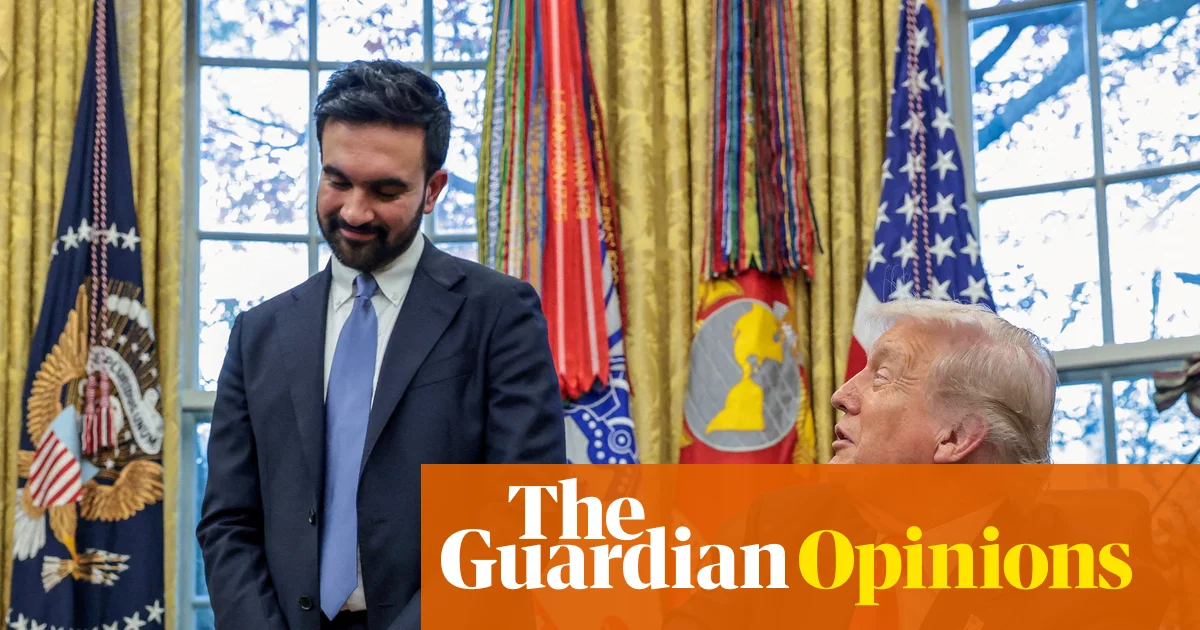
Mr Trump has denounced Zohran Mamdani’s New York luxury second-home tax as a “dangerous political experiment” and threatened to block it. Yet despite clashing, the leftwing mayor and the rightwing president continue to talk, cooperating on housing and immigration cases. Their warm White House meeting in February suggests that Mr Trump may respect politicians who openly disagree with him more than those who bend over backwards not to offend him. Perhaps Mr Burnham should take heart: being true to himself may work.
