


The U.S. official added that Israel remains skeptical that Hamas will follow through on their commitments, while noting the country was similarly skeptical that Hamas would release the Israeli hostages.
“We basically have built a lot of credit with them. And I think that they’re willing to give us more of a shot to see if we can get to the next phase,” the official said. “We’re in an uncomfortable position for everyone, but I think that there’s a pathway to get through it.”
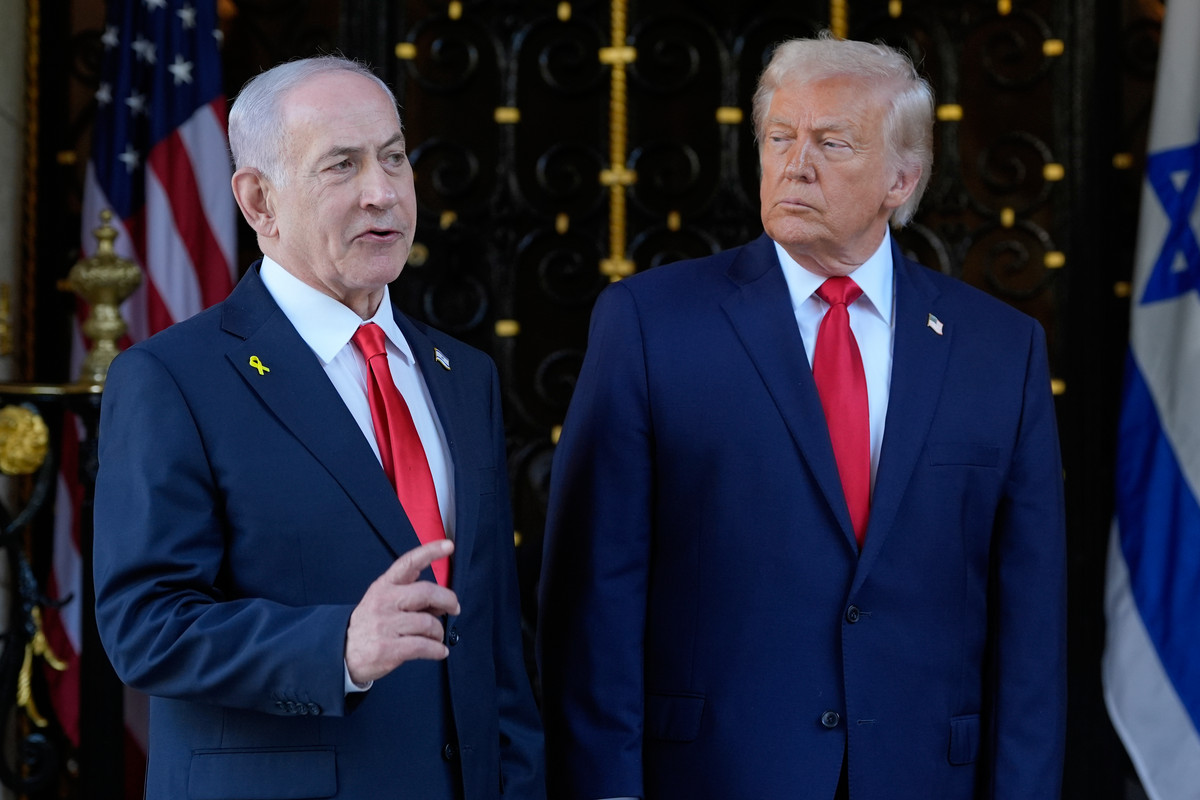
The idea that Israeli troops are at least planning to withdraw — especially if that withdrawal goes to the yellow line in Gaza, a key point of the plan the Board of Peace proposed — is giving Trump allies hope that Netanyahu’s words are meant for a domestic audience, while his actions are meant to demonstrate he might consider a deal in the future.
“Netanyahu’s playing a fairly tricky tightrope, where on the one hand he flexes his muscle for domestic audiences, given his situation at election eve, and on the other hand, he’s doing some baby steps in the direction of the 15-point plan — testing the tolerance of the American or Board of Peace team,” said Nimrod Novik, who served as senior diplomatic adviser to former Israeli Prime Minister Shimon Peres.
James Jeffrey, a former ambassador who served in the Middle East during three presidential administrations, including Trump’s first term, said that “of course it’s a win” to get Hamas to agree to disarm. And, behind the scenes, he said there continues to be movement between the U.S and Israel.
“Slowly we and Israel are moving forward on both Lebanon and Gaza even in the face of Israeli elections,” Jeffrey said.
Still, the incremental movement leaves fundamental questions, which have repeatedly stymied efforts to create a lasting peace between Israel and Gaza. U.S. allies are also concerned that Netanyahu’s public rejection of the latest peace plan is undermining confidence in the Board of Peace and the broader Middle East peace efforts.
Hamas’ willingness to disarm is conditioned on Israel withdrawing from Gaza, leaving unresolved how — and in what order — either side would carry out its commitments.
