


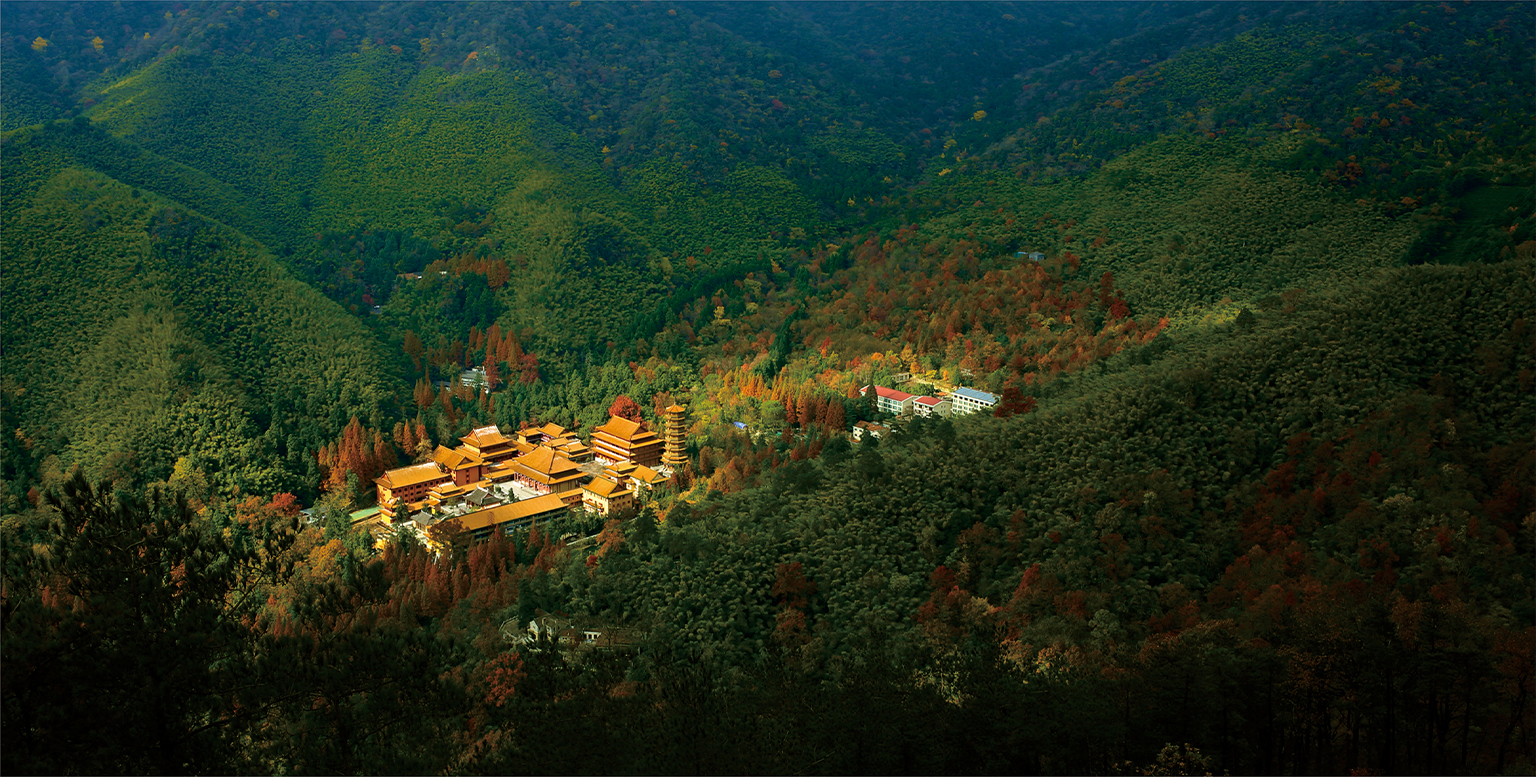
- For more than a millennium, Buddhist, Daoist and Confucian traditions in China have shaped conservation practices at Tianmu mountain, with beliefs in the sacred connection between humans and nature influencing how communities protect its forests, wildlife and ecosystems.
- Today, state regulations provide the legal framework for the protection of the expanded Tianmushan–Qingliangfeng UNESCO Biosphere Reserve and establish a management plan developed with local communities to tackle challenges the rich ecosystem faces and negotiate sustainable development following past land conflicts. Authorities and a study show efforts have increased plant productivity.
- Authorities say religious values continue to influence conservation efforts, as monks, residents and officials work on education, ecotourism and monitoring programs to preserve the mountain’s biodiversity.
- Despite progress, the reserve faces ongoing challenges including climate change and tree disease.
HANGZHOU, China — On a misty morning in Zhejiang province, the peaks of Tianmu Mountain rise like sentinels above the forest canopy, their slopes wrapped in shifting veils of cloud. For centuries, monks and many villagers revered every tree and stream as sacred, a belief that researchers say has guided protection long before the word “conservation” entered common use.
“This place is special not only because of its nature,” Lu Senhong, head of the publicity and education division at the Tianmu National Nature Reserve Administration Bureau, told Mongabay. “It is also because people here have long believed that every tree, flower, and bird carries a spirit. That respect has kept the mountain alive.”
For more than a millennium, a mix of Buddhist, Daoist and Confucian traditions guided protection of plants and wildlife in this lush reserve, which recently extended twelvefold to create a 54,700-hectare (135,170-acre) Tianmushan–Qingliangfeng UNESCO World Biosphere Reserve — the first such expansion in China. In the past, temples that dotted the land imposed strict punishments on anyone caught cutting trees or damaging parts of the old-growth forest — fines in rice or silver, or even expulsion from the monastery. The same rules bound monks themselves to strict conduct, ensuring they upheld the forest’s sanctity.
Today, it is state regulations that provide the legal framework for protection and, along with a management plan developed with local communities, that try to tackle challenges the rich ecosystem faces and negotiate a sustainable development model following earlier community land use conflicts.
Though, religious traditions from the past continue to shape public attitudes, authorities said. “Tianmu,” a name the mountain held for over a millenium, means “eyes of heaven.”
According to the Tianmu Nature Reserve Administration Bureau, which oversees protection of the reserve, joint work with communities, support from religious groups and the current management plan have been bearing fruit.
“Our animal and plant numbers are still increasing,” Senhong said. “That is the result of our protection measures and the dedication of local people.”
A study that looked at vegetation productivity in the reserve over 30 years, from 1984 to 2014, found an increase, particularly in zones dedicated to stricter conservation measures.
Mountains of life
The Tianmu mountain region, one of China’s earliest UNESCO biosphere reserves, is known as the “kingdom of big trees” for housing large communities of some of the Earth’s oldest-living organisms, the towering Ginkgo biloba. Called a “living fossil” by botanists, the species survived two of the five great mass extinction events of the planet.
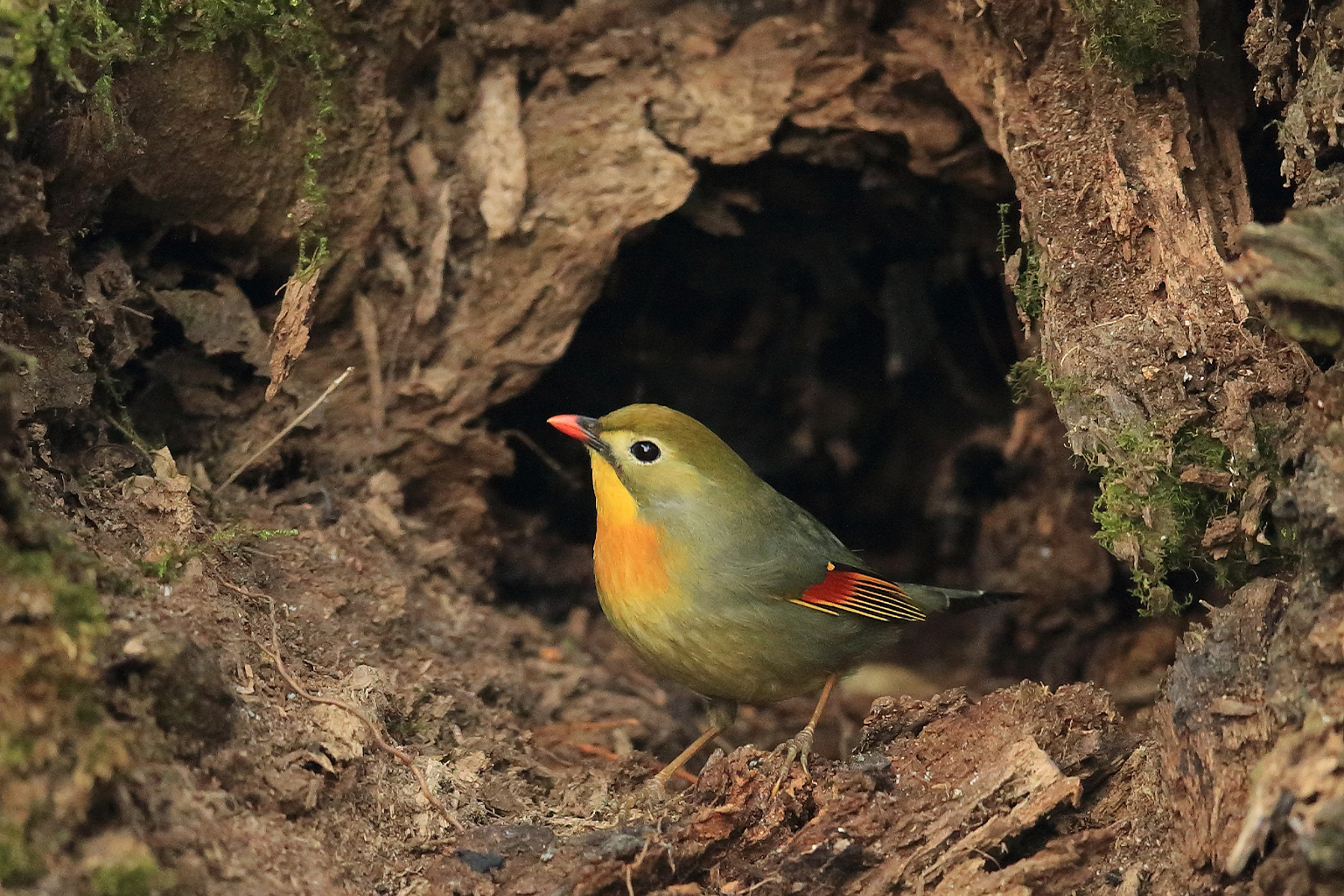
With about 98% of the reserve covered in trees, it is home to 374 vertebrate species, including the Chinese pangolin (Manis pentadactyla) and black muntjac (Muntiacus crinifrons), and 2,461 species of higher plants. According to Wei Wang, a researcher at the Chinese Research Academy of Environmental Sciences’ Institute of Ecology, the primary conservation targets include rare and endangered flora and fauna such as the Chinese golden larch (Pseudolarix amabilis), ginkgo (Ginkgo biloba) and Tianmu ironwood (Ostrya rehderiana).
And there are more species yet to be described in the reserve. “We inferred that there likely are 185 bryophytes [ancient non-vascular plants like mosses and liverworts] yet to be discovered,” the authors of a 2024 study said.
More than 80% of the country’s mammals, birds, amphibians and reptiles are in the mountains.
“Mountains are vital for biodiversity, water resources, and human well-being,” Weihua Xu, a researcher at the Chinese Academy of Sciences and the technical secretariat of the World Network of Mountain Biosphere Reserves, told Mongabay. “Although they cover only about a quarter of the Earth’s surface, they sustain the majority of global food crops and many unique species.”
Like many mountainous regions in China, religion has long been one of Tianmu’s most steadfast guardians, according to the Chinese Academy of Sciences. Buddhism, Daoism, and Confucian philosophy have all left their imprint here, shaping how people treat the mountain and its life forms.

According to Simeiqi He, a scholar who studies China’s ecological civilization at Yale University’s Forum on Religion and Ecology in the U.S., ecological values are both spiritual and moral. Traditionally, “there is no separation between spiritual values and ecological values in protecting nature,” she told Mongabay.
Mary Evelyn Tucker, co-director of Yale University’s Forum on Religion and Ecology explained that Confucianism has long emphasized the unity of people and nature, grounded in the belief that humans have a duty to care for the Earth and universe as their “great parents.”
Daoism, on the other hand, Tucker added, complements this worldview through its concept of qi, or vital energy, which flows through all beings. “Plants, trees, animals, and birds are to be protected with the notion of their special qualities of qi,” she said, noting that this understanding underpins traditional Chinese medicine and cultivation practices such as taiqi and qigong.
Meanwhile, Buddhism offers a profound sense of interdependence with all sentient beings, providing “a strong basis for environmental ethics.” Not harming animals or plants, Tucker said, remains a cornerstone of Buddhist teaching.
China’s sacred mountains, like Tianmu, embody the living legacy of these integrated beliefs, according to Tucker. “Those who make pilgrimages to these sacred mountains experience renewal in body and spirit,” she said.
Like elsewhere in China, political leaders disrupted religious life during the Cultural Revolution (1966–1976) and suppressed temples and traditional practices nationwide. In the decades that followed, religious activities gradually resumed under state regulation. During this period, in 1986, the government established the Tianmu Mountain National Nature Reserve to protect and study the ecosystem.
Today, while the administration bureau formally manages the now expanded reserve, religion continues to influence how many residents view and care for the landscape. Monks living in foothill temples continue to support conservation by patrolling the forest to deter illegal logging. Many elder villagers who live inside and around the reserve’s grounds still believe that disrespecting the spirits of the forest brings misfortune.


Navigating newer forms of regulation
Like other world biosphere reserves, Tianmushan–Qingliangfeng is divided into three types of zones: The core areas (for strict conservation, monitoring and research), buffer zones (which allows for certain ecological practices) and the transition areas on the outermost perimeter (which focuses on sustainable development).
The reserve has four core zones where there is virtually no human disturbance.
Instead of monks enforcing rules, today “strict controls are enforced in accordance with the ‘Regulations of the People’s Republic of China on Nature Reserves,’ and entry by any entity or individual is prohibited except for approved scientific research, ecological monitoring, and similar activities,” according to a 2025 paper by Wang from the Institute of Ecology.
In the buffer zones, visits, field trips, ecotourism, and the domestication and breeding of rare and endangered wild flora and fauna are permitted.
“Exploration of sustainable use of natural resources to a certain extent is also allowed, provided that all human activities are compatible with biodiversity conservation,” Wang said.
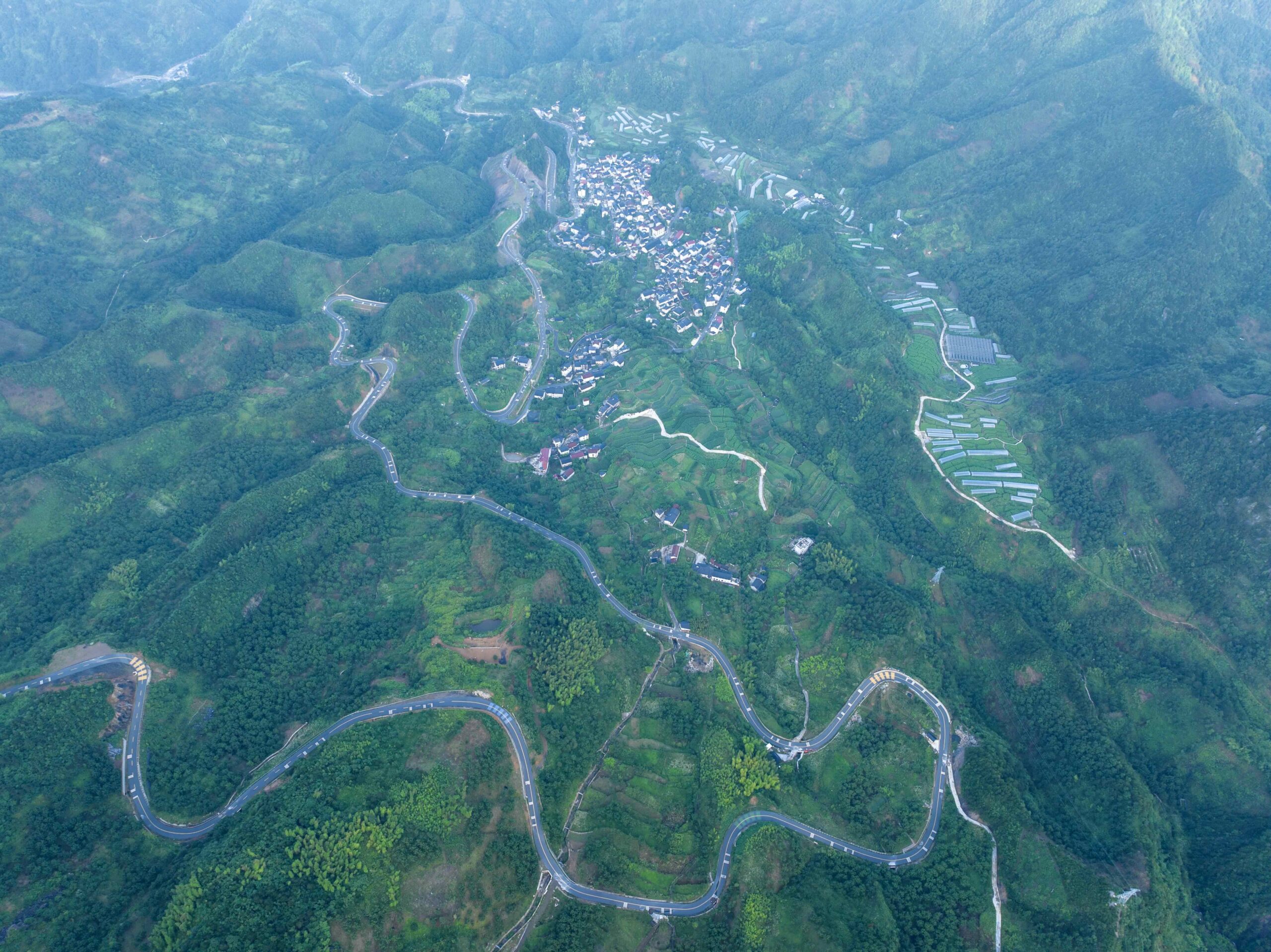
The rest of the land, about 72%, is the transition zone with people, where 41 administrative villages across six towns sustain a population of 47,340.

Determining the boundaries and functions of the zones is the most critical part of expanding world biosphere reserves, Wang wrote, as you’ve got to get all the stakeholders — including the local communities — on board. In 2016, before the expansion, a UNESCO evaluation noted the reserve (at 4,300 hectares, or 10,600 acres) was too small to effectively address various natural and human-induced pressures.
According to sources, the reserve used a multi-stakeholder governance mechanism to get local communities on board for the application to UNESCO in 2024. It involved many discussions with towns and villages on joint-management, decision-making and community development.
In that same year, while a survey found that people generally do support biodiversity conservation in Tianmushan, their knowledge and actions were only moderate.
“Strengthening community science popularization and education activities, establishing an effective community co-management participation mechanism, promoting the ecotourism upgrading,” were suggestions land planning experts put forward.
According to UNESCO, in the previous year, the reserve established a working leadership group of members from national nature reserves, towns and local communities. This group led the development of the management plan for the Tianmushan–Qingliangfeng Biosphere Reserve, which spans 2023 to 2032. It aims to stabilize rare and endangered wildlife populations and establish a coordinated sustainable development model for the biosphere reserve and surrounding regions.
As part of the plan, communities hold decision-making power in regards to ecotourism and the development of certain industries in the reserve. Today, residents are engaged in the production and processing of agricultural and forestry products such as walnuts, bamboo shoots and tea.
Mongabay tried to reach out to community representatives in the country to obtain their perspective of management in the reserve but did not receive a response before publication.


“We see the full dimensions of nature conservation, scientific understanding and knowledge, while also bringing together landscape concerns, water management, and integrating heritage and culture,” said Antonio Abreu, director of the Division of Ecological and Earth Sciences in the Natural Sciences Sector of UNESCO and secretary of the Man and the Biosphere (MAB) Programme, after visiting the reserve. “It’s impressive, both in terms of the way things are being done and the strategic planning and conceptual approach involved.”
Religious institutions and park officials are trying to pass a conservation ethic to younger generations, even as beliefs change. Some now run homestays or work in tourism rather than farming.
“Even young people who use livestreaming to sell local products are influenced by this tradition,” Senhong said. “They know ecotourism needs a healthy environment. So, protection and livelihood are aligned.”
Hunting, once common in the region, has dwindled under cultural shifts and regulations, authorities said.
“Of course, there are still some people who will hunt or use animals for medicine,” Senhong acknowledged. “But it is very rare now. If they are caught, they face severe punishment — fines or even jail time. These punishments, and growing awareness among our people, have prevented the problem.”

Challenges to face
The reserve has experienced conflict over community land use, economic development, and ecological conservation in the past.
According to a 2023 paper, experts viewed ecological conservation in the Tianmu Mountain Nature Reserve as more important than social and economic systems, whereas other protected areas in China typically give more weight to social and cultural factors. This trend makes sense, the authors said, as many communities live in and around protected areas, and getting them on board reduces conflict. Also, unlike Western world’s desire for pristine wilderness, Chinese tourists uphold “the traditional culture that the human is an integral part of nature and prefer landscapes with man and nature coexisting in harmony.”
In the 1980s, in the Tianmu mountain region, the government organized a resettlement program that moved about 86 households, or roughly 300 people, out of the mountain, Senhong said. Officials said those relocated were offered better livelihood opportunities elsewhere.
In 1993, the reserve’s protected area was expanded, placing additional forest lands under stricter zoning rules. Under China’s nature reserve regulations, these core and buffer zones are subject to absolute protection, with all forms of development prohibited.
A compensation dispute later emerged in 2001, when 243 households from Bao Family Village filed a case seeking compensation for livelihood losses linked to these restrictions, the Chinese Academy for Environmental Planning noted.

In 2005, researchers in Nanjing, China, suggested revising conservation policies and providing a reasonable compensation mechanism, diverse land use areas, ecotourism and co-management with the local communities to reduce conflict.
Mongabay reached out to relevant Chinese authorities and the reserve’s leadership group for updates on the outcome of the case but did not receive a response by the time of publication.
Today, all administrative villages fall within the transition zone area, and no one lives in the core or buffer zones.
According to Weihua Xu, the livelihoods of local communities and the sustainable development of reserves are tied to government support and policies.
“Biosphere reserves act as bridges, connecting us [researchers] with governments and communities so we can work together on solutions,” Xu said. Under UNESCO’s new strategic action plan, he said, priorities include monitoring the balance between people and mountain reserves and using science and technology to drive sustainable development.
While Tianmu’s forests have weathered centuries of use and protection mechanisms, they are not free from threats.
Pine wilt, a species native to North America that infects and causes massive deaths of pine trees, now poses a challenge in this corner of China. “Some trees can survive, but others are not strong enough and will wither gradually,” Senhong said.

Scientists are also analyzing the impact of climate change on the species composition in the reserve’s forests. As temperatures rose between 1996 and 2017, one study found the composition of evergreen trees, which normally grow at lower and warmer altitudes, increased.
By looking toward the past, authorities say traditions offer lessons about how to relate and protect remaining key biodiversity sites.
“For Taoists and Buddhists, harmony between humans and nature is fundamental,” Senhong said. “For generations, monks have regarded every tree, every blade of grass, every bird and beast as gods. You must respect them and take care of them.”
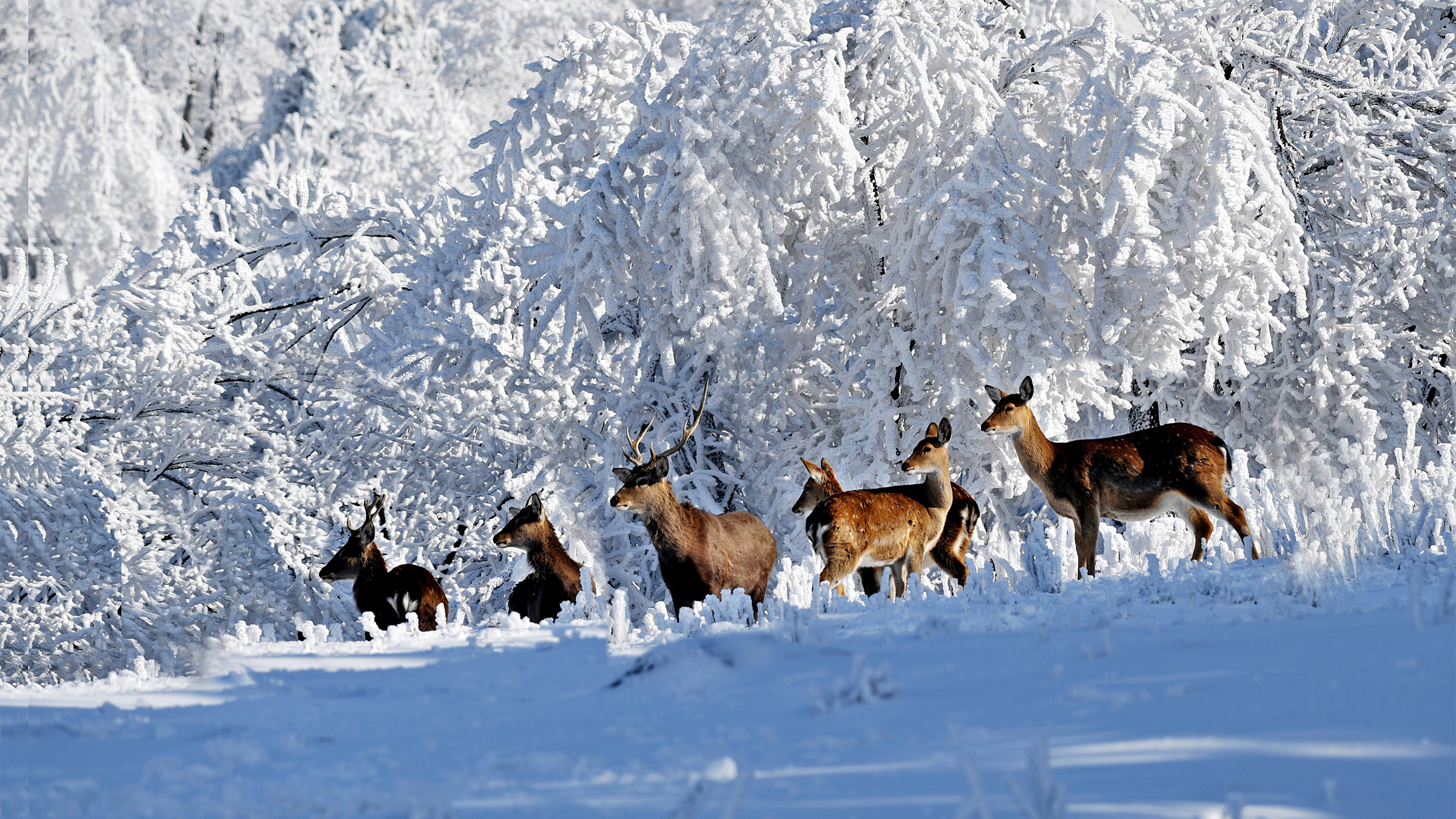
Banner image: A herd of deer Tianmushan-Qingliangfeng UNESCO Biosphere Reserve in the winter. Image by
Brazil’s Atlantic Forest Indigenous lands show strong restoration gains
In India’s Western Ghats, sacred groves are better at growing future forests
Taboo against harming strangler fig spirits protects forests in Indonesian Borneo
Citations:
Huang, L., Tian, L., Huang, L., Jin, C., Hu, S., Zhang, Z., . . . Tang, Z. (2025). Religious temples are long-term refuges for old trees in human-dominated landscapes in China. Current Biology, 35(12), 2994-3000.e3. doi:10.1016/j.cub.2025.05.030
Wei, B., and Lee, C. (2019). A View of History from the Mountains: Daoist Hermitage in the Six Dynasties. Journal of Chinese Humanities, 4(2), 125–149. doi:10.1163/23521341-12340061
Wang, W. (2025). Integrating protection and development issues through expansion: A case study of Tianmushan – Qingliangfeng World Biosphere Reserve. Zhongguo Kexueyuan Yuankan, 40(9), 1596–1605. doi:10.3724/j.issn.1000-3045.20250421005
Chen, S., Jiang, H., Jin, J., & Wang, Y. (2016). Changes in net primary production in the Tianmu Mountain Nature Reserve, China, from 1984 to 2014. International Journal of Remote Sensing, 38(1), 211–234. doi:10.1080/01431161.2016.1264025
McElwain, J. C. (2013). The Life and Times of a Living Fossil. doi:10.1126/science.1237432
Yao, X., Dai, Z., Wang, Y., Zhang, J., and Wang, J. (2024). What determines the probability of discovering a species? A study of the completeness of bryophyte inventories in Tianmushan National Nature Reserve (Zhejiang, China). Ecology and Evolution, 14(11), e70593. doi:10.1002/ece3.70593
Jiang, N., Zhao, L., Han, M., & Xu, W. (2025). China’s mountain biodiversity and conservation status. Geography and Sustainability, 6(6), 100360. doi:10.1016/j.geosus.2025.100360
Fan, Y., Wu, H., Jin, H., Lu, L., Zhao, Y., and Wang, Y. (2023). Evaluation of cultural ecosystem services in mountain-type scenic areas: an importance-performance analysis of the Road of Tang Poetry in Eastern Zhejiang, China. Journal of Asian Architecture and Building Engineering, 23(5), 1735–1755. doi:10.1080/13467581.2023.2270031
Jin Minli, Zhong Weiliang, Fu Dannuo. (2025). KAP Status and Influencing Factors of Tianmushan National Nature Reserve Community towards Biodiversity Conservation. Journal of West China Forestry Science, 54(3), 86-93. doi:10.16473/j.cnki.xblykx1972.2025.03.011
Chu Sheng-jin, Xu Gang. (2004). Conflictive and coordinate mechanism in land use and ecosystem conservation in mountainous area of north Zhejiang—the case of the Tianmu Mountain Nature Reserve. Resources and Environment in the Yangtze Basin, 13(1), 24-29.
Zhang, X., Zhong, L., Yu, H., and Wang, L. (2023). Sustainability Assessment for the Protected Area Tourism System from the Perspective of Ecological-Economic-Social Coordinated Development. Forests, 14(5), 890. doi:10.3390/f14050890
Zhao, J., Huang, J., Yan, J., & Fang, G. (2020). Economic Loss of Pine Wood Nematode Disease in Mainland China from 1998 to 2017. Forests, 11(10), 1042. doi:10.3390/f11101042
Bai, C., You, S., Ku, W., Dai, Q., Wang, Z., Zhao, M., & Yu, S. (2020). Life form dynamics of the tree layer in evergreen and deciduous broad-leaved mixed forest during 1996–2017 in Tianmu Mountains, eastern China. Silva Fennica, 54(2). doi:10.14214/sf.10167
Song, X., Peng, C., Zhou, G., Jiang, H., Wang, W., & Xiang, W. (2013). Climate warming-induced upward shift of Moso bamboo population on Tianmu Mountain, China. Journal of Mountain Science, 10(3), 363–369. doi:10.1007/s11629-013-2565-0
FEEDBACK: Use this form to send a message to the author of this post. If you want to post a public comment, you can do that at the bottom of the page.
Cite this article
Keith Anthony Fabro, Latoya Abulu (2026). Decades after religions shaped China’s Tianmushan, authorities tackle protecting reserve. Mongabay Conservation news. DOI: https://doi.org/10.66709/news-325787

