


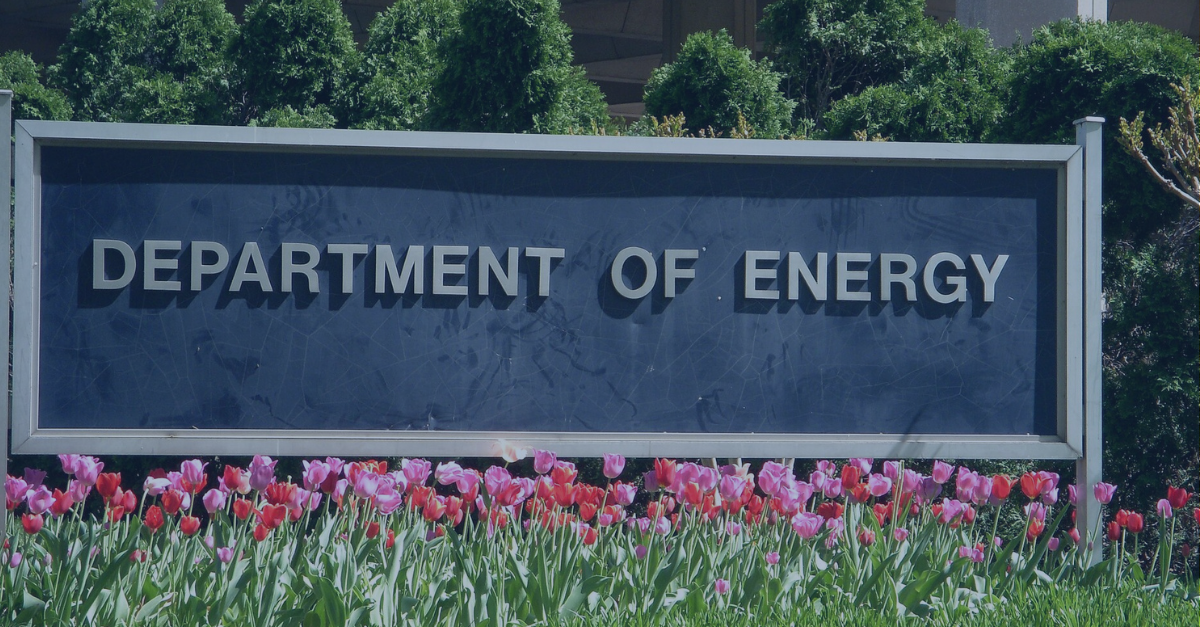
Wednesday, in a significant victory against the Trump administration’s ongoing war on government transparency, the U.S. District Court for the District of Columbia granted summary judgment in favor of American Oversight, striking down a Department of Energy (DOE) policy that would have allowed the agency to potentially close thousands of properly submitted, pending Freedom of Information Act (FOIA) requests. The ruling blocks an unlawful attempt by the Trump administration to evade its obligations under FOIA by shifting the burden of keeping public records requests open onto the public.
The court held that DOE exceeded the limited legal authority granted to it by Congress when it imposed a blanket “still interested” requirement that gave requesters with older FOIA requests just 30 days to reaffirm their interest or risk having their requests administratively closed, regardless of how long the agency had delayed responding. The ruling vacated the unlawful policy under the Administrative Procedure Act, noting that it was contradictory to FOIA, which requires agencies to make non-exempt federal records “promptly available” to the public. The opinion further rejected the government’s attempt to avoid judicial review, confirmed that we had standing to challenge the policy, and made clear that FOIA does not authorize agencies to impose extra conditions simply because they have failed to process requests in a timely manner.
“Today’s ruling is a victory for transparency, accountability, and the public’s right to know,” said our Executive Director Chioma Chukwu. “FOIA exists to ensure the public can access the truth, not to give agencies new ways to bury it. This case was never just about one agency or one requester. Had DOE’s policy been allowed to stand, it could have become a blueprint for agencies across the federal government to evade their obligations under FOIA by shifting unnecessary burdens onto requesters. Today’s decision sends a clear message: the responsibility for government transparency rests with the government, not the public.”
We filed suit after DOE announced the policy in the Federal Register, warning that pending FOIA requests submitted before Oct. 1, 2024, would be closed unless requesters contacted the agency within 30 days to ask that their requests remain open. The lawsuit argued that DOE lacked authority under FOIA to impose the requirement and that the policy violated the Administrative Procedure Act.
The court rejected DOE’s argument that the case became moot after it promised to continue processing our requests once litigation began, making clear that agencies cannot evade judicial review by abandoning an unlawful policy after being sued while continuing to defend the policy’s legality. The court further recognized the concrete harm imposed when requesters are forced to expend time and resources simply to preserve their right to access public records.
The DOE policy is one example of a broader campaign by the Trump administration to make government records harder to obtain. We have identified a growing pattern of actions designed to weaken transparency, including requiring some FOIA requesters to provide proof of identification before seeking records, delaying or denying fee waivers and expedited processing, and creating new mechanisms to administratively close pending public records requests. Together, these measures shift the costs and burdens of government transparency from agencies to the people seeking to hold them accountable.
Today’s ruling establishes an important principle for the federal government: Agencies cannot evade their statutory obligations under FOIA by imposing procedural hurdles Congress never authorized.
