


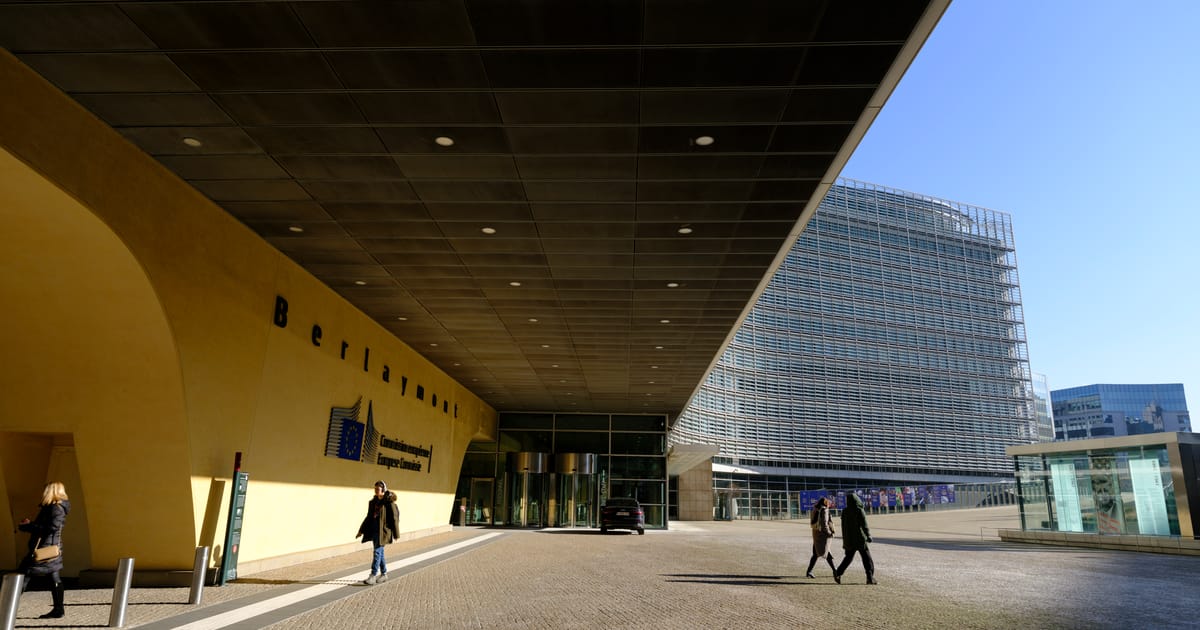
The Commission — which has a workforce of some 30,000 — hired a chief confidential counsellor, Lene Naesager, to deal with staff harassment issues, in May 2024. She has a team of 40 counsellors across the Commission and its executive agencies.
Since September 2024, the chief counsellor, who reports to Budget Commissioner Piotr Serafin, has received 960 reports from “colleagues feeling harassed, alleged harassers, witnesses, managers and HR correspondents,” according to a Commission spokesperson.
However, the chief counsellor “has no mandate to investigate and is not entitled legally to qualify the conduct as harassment as defined in the Staff Regulations,” the spokesperson explained.
To make a formal complaint, staff instead have to go to the Investigation and Disciplinary Office (IDOC) or to the European Anti-Fraud Office (OLAF). The Commission receives around 20 to 25 formal complaints per year, the spokesperson said.
The Commission said 14,000 staff have attended presentations on anti-harassment policy while 2,400 managers have attended mandatory training sessions in the last two years. This increased awareness about how to seek support in dealing with harassment has “generated a relatively high number” of reports to the chief confidential counsellor, the spokesperson said.
A Commission spokesperson said the institution was “committed to being a modern, respectful and attractive place to work,” pointing to a review launched by President Ursula von der Leyen into the Commission’s operations. An internal survey found 74 percent of staff rated the Commission an attractive employer, up six percentage points from 2023.
But a senior official said that same review will not include recommendations on anti-harassment policy, as the issue falls outside its “scope.”
