

Close Menu
NCIJ Network NCIJ Network
    What's Hot

    Ransom Cartel ransomware creator sentenced to 16 years in prison

    August 5, 2026

    Q2 GXRP share rebound left 87.8% of Q1 loss unrecovered

    August 5, 2026

    NASA’s IXPE May Have Proven 90-Year-Old Theory

    August 5, 2026
    Facebook X (Twitter) Instagram
    Trending
    • Ransom Cartel ransomware creator sentenced to 16 years in prison
    • Q2 GXRP share rebound left 87.8% of Q1 loss unrecovered
    • NASA’s IXPE May Have Proven 90-Year-Old Theory
    • New walk-in mental health centres to open in banks and libraries across England
    • FEMA Downsizing Exacerbates Longstanding Problems, Imperils Disaster Response, Federal Watchdog Says
    • This is your in-flight comedian speaking | Comedy
    • Trump’s Cherry-Picked Inflation Boast – FactCheck.org
    • Man arrested at Trump’s California golf course faces more charges | Donald Trump
    • About
      • Our Team
      • Editorial Policy
      • Editorial Independence
      • International Support
    • Trust & Standards
      • AI Usage Policy
      • Conflict of Interest Policy
      • Corrections Policy
      • Ethics Policy
      • Fact-Checking Policy
      • Source Protection
    • Get Involved
      • Guide for Sources
      • Support Independent Journalism
    • Legal
      • Cookie Policy
      • Privacy Policy
      • Terms of Use
    Facebook X (Twitter) Instagram
    NCIJ Network NCIJ Network
    Wednesday, August 5
    • Home
    • World
    • Ai
    • Business
    • Politics
    • Health
    • Crypto
    • Science
    • Technology
    • Cybersecurity
    • Defense & Security
    • Economy
    • Energy
    • Europe
    • More
      • Fact Check
      • Investigations
      • Opinion & Analysis
      • Environment
    NCIJ Network NCIJ Network
    Home»Opinion & Analysis

    The Guardian view on 80 years of public funding for the arts: more vital than ever | Editorial

    NCIJ NETWNCIJ NETWORKBy NCIJ NETWNCIJ NETWORKAugust 4, 2026 Opinion & Analysis No Comments4 Mins Read
    Share
    Facebook Twitter LinkedIn Pinterest Email

    “I do not believe it is yet realised what an important thing has happened,” the economist John Maynard Keynes wrote in The Listener in July 1945. “Patronage of the arts has crept in. It has happened in a very English, informal, unostentatious way – half baked if you like.” He was referring to the wartime Council for the Encouragement of Music and the Arts (Cema), which would become the Arts Council of Great Britain. Keynes died a few months before it was granted a royal charter on 9 August 1946. A body to secure and distribute government cultural investment was created – an important thing, indeed.

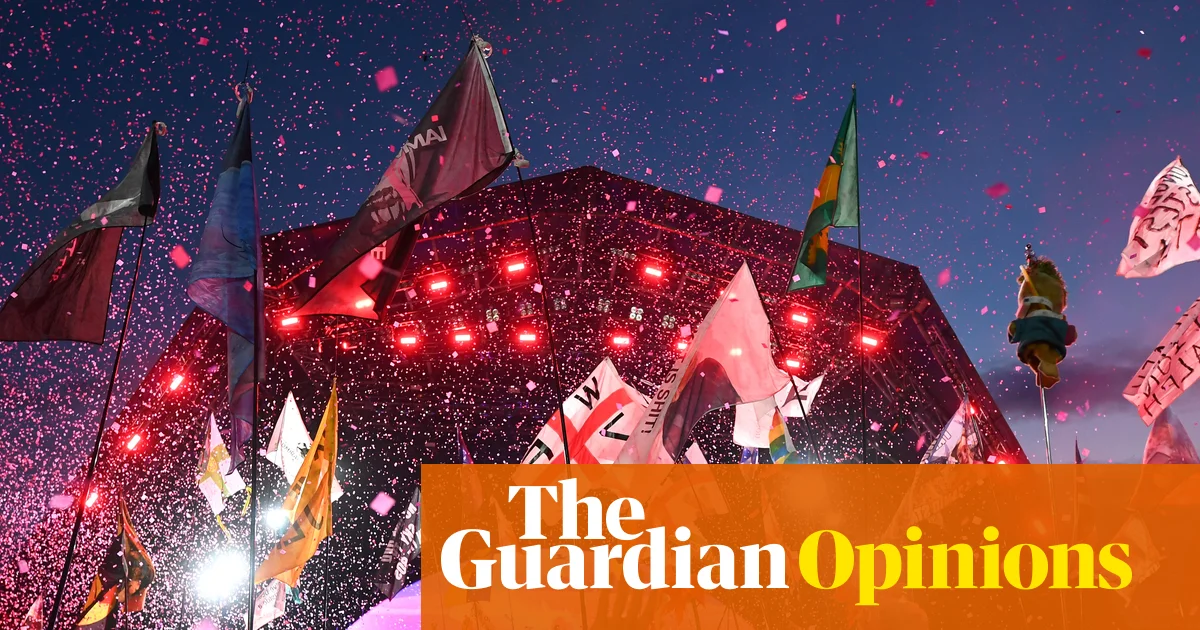
    The Arts Council initially funded 46 institutions, including the Royal Opera House and Bristol Old Vic, the first publicly funded regional theatre in the UK. Over eight decades it has contributed to the making of world-renowned treasures such as the Southbank Centre and Royal Shakespeare Company. Today it supports nearly 1,000 organisations from the Proms to Glastonbury, local libraries, comedy venues and community arts centres, as well as individual artists. In 1994 it was devolved into national councils. This week Dawn Airey, the former head of Channel 5, took over as chair of Arts Council England (ACE) from Sir Nicholas Serota.

    Dawn Airey, the new chair of Arts Council England. Photograph: Dan Chung/The Guardian

    Given the Arts Council’s fundamental dependence on the economy and political will, it is no surprise that his nearly decade-long tenure was turbulent. Under the Conservatives, ACE’s budget was reduced by about 30%. As Sir Nicholas put it in an introduction to Made in England, a collection of essays marking its 80th anniversary, the health of the culture sector relies on “one sobering, practical reality … money”.

    In recent years, ACE has been accused of crippling bureaucracy, favouring grassroots organisations over prestigious establishments, and straying from Keynes’s foundational “arm’s length” principle. “The Arts Council is not altogether on our side,” John Gilhooly, the director of the Wigmore Hall, told the BBC. It pulled out of the Arts Council last year. English National Opera and other classical music organisations suffered major budget cuts in 2022. Contrary to ACE’s promise to take high-quality culture to “every corner of the country”, cuts to Glyndebourne resulted in the cancellation of its 2023 tour.

    Let’s Create, the controversial strategy set up in 2020 to diversify and redistribute funds outside London, was blamed for many of these problems. It was scrapped in response to last year’s critical Arts Council review by the former Labour arts minister Lady Margaret Hodge, who accused it of stifling “innovation and creativity”. But inclusive ambitions should not be abandoned with the red tape. Access and excellence are not mutually exclusive.

    For all its shortcomings, Lady Hodge concluded that the Arts Council “remains a vital national body”. It is even more important in times of austerity: without public funding, many institutions would not survive. With a new chair – and a new prime minister – this is a moment of hope for a weary creative sector. A petition by Campaign for the Arts urges Andy Burnham to follow the example of Clement Attlee’s Labour government, which established the Arts Council “from the rubble of the second world war”, to make “arts and culture an integral part of their plan to rebuild the nation”. There is much to be done before the Arts Council celebrates its 100th birthday. Without Keynes’s “half baked” scheme, England would be much poorer, in every sense.

    • Do you have an opinion on the issues raised in this article? If you would like to submit a response of up to 300 words by email to be considered for publication in our letters section, please click here.

    Arts Editorial Funding Guardian public view vital years
    NCIJ NETWNCIJ NETWORK
    • Website

    Keep Reading

    Ransom Cartel ransomware creator sentenced to 16 years in prison

    This is your in-flight comedian speaking | Comedy

    Russian Ballistic Missile Attack Exposes Critical Shortage in Ukraine’s Interceptors

    Global Tax Reform Is the Key to a Fair AI Economy by Zorka Milin

    Missing a few days of school should not add up to a fine | Schools

    The Guardian view on French cinema’s De Gaulle moment: present anxieties inform a new focus on the past | Editorial

    Add A Comment
    Leave A Reply Cancel Reply

    Editors Picks

    Ransom Cartel ransomware creator sentenced to 16 years in prison

    August 5, 2026

    Q2 GXRP share rebound left 87.8% of Q1 loss unrecovered

    August 5, 2026

    NASA’s IXPE May Have Proven 90-Year-Old Theory

    August 5, 2026

    New walk-in mental health centres to open in banks and libraries across England

    August 5, 2026
    Latest Posts

    Can you identify Taylor Farms products by codes beginning with ‘TF’ printed on bags?

    July 23, 2026

    The Guardian view on Britain’s uninhabitable homes: as temperatures rise, a new approach is needed | Editorial

    July 23, 2026

    Can Wisconsin voters void a returned absentee ballot?

    July 23, 2026

    Subscribe to News

    Get the latest sports news from NewsSite about world, sports and politics.

    NCIJ Network is an independent digital news platform delivering trusted investigative journalism, European and global news, in-depth analysis, and fact-based reporting with accuracy, transparency, and integrity.

    Facebook X (Twitter) Instagram Pinterest YouTube

    Ransom Cartel ransomware creator sentenced to 16 years in prison

    August 5, 2026

    Q2 GXRP share rebound left 87.8% of Q1 loss unrecovered

    August 5, 2026

    NASA’s IXPE May Have Proven 90-Year-Old Theory

    August 5, 2026

    Subscribe to Updates

    Get the latest creative news from FooBar about art, design and business.

    Type above and press Enter to search. Press Esc to cancel.